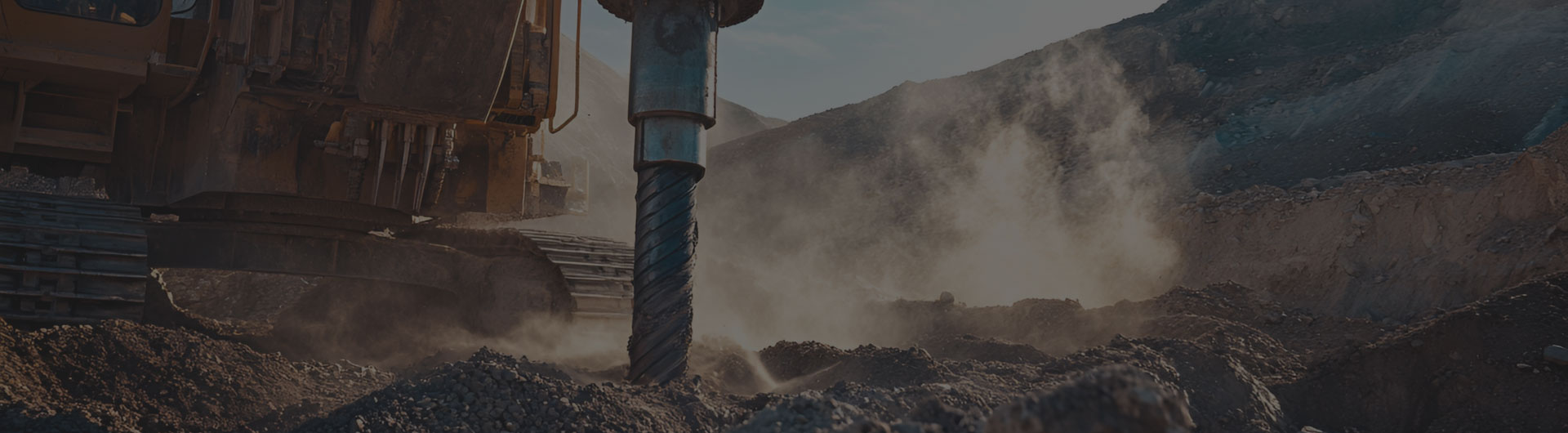
Compressed air flows down from the inner and outer pipe gaps, driving the down the hole hammer to break the rock.
Rock debris/powder quickly returns to the surface through the central channel of the inner tube (reverse circulation).
The rock sample is separated by a cyclone separator, and the sample is pure and free of wellbore contamination.
Continuous and real-time sampling allows geologists to instantly determine lithology and mineralization.
1. Efficient sampling
Reverse circulation rock powder returns directly from the bottom of the hole at a speed 3-5 times faster than conventional coring.
Continuous sampling, strong representativeness, low pollution, suitable for grade control of gold, iron, non-ferrous metals, etc.
2. Fully hydraulic control
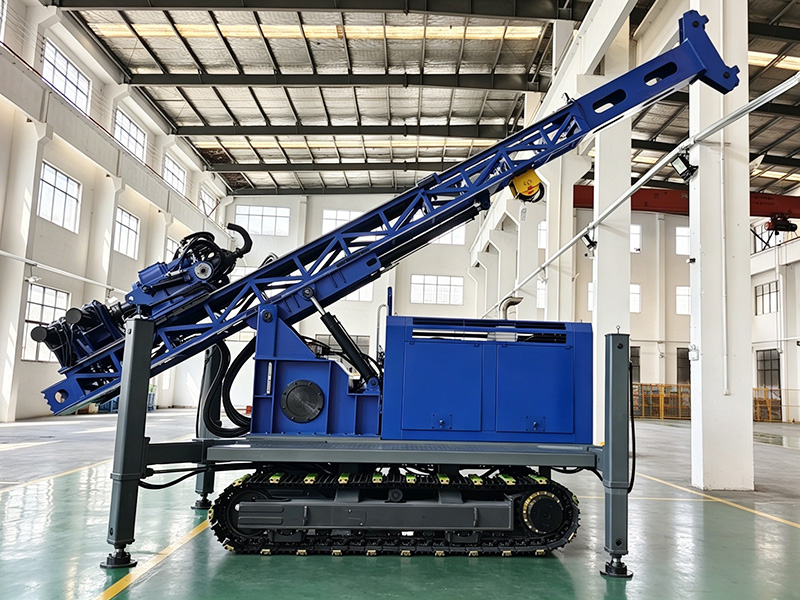
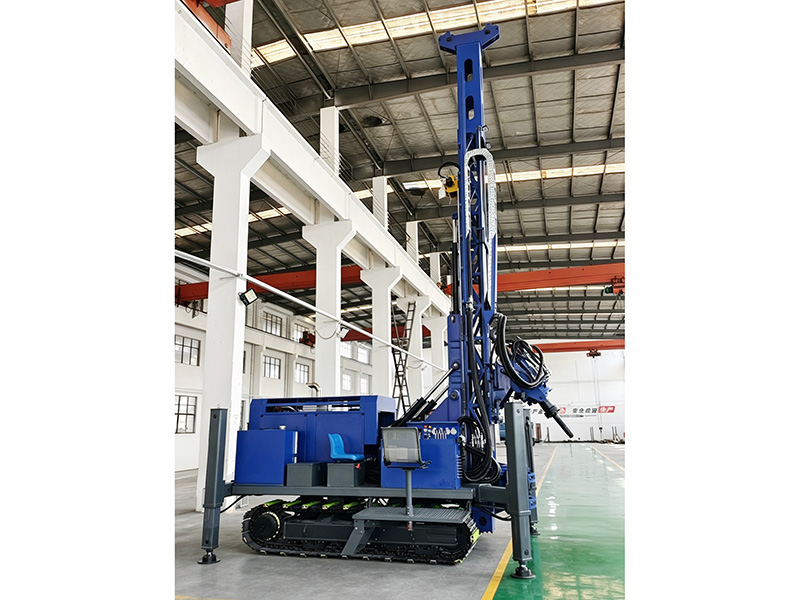
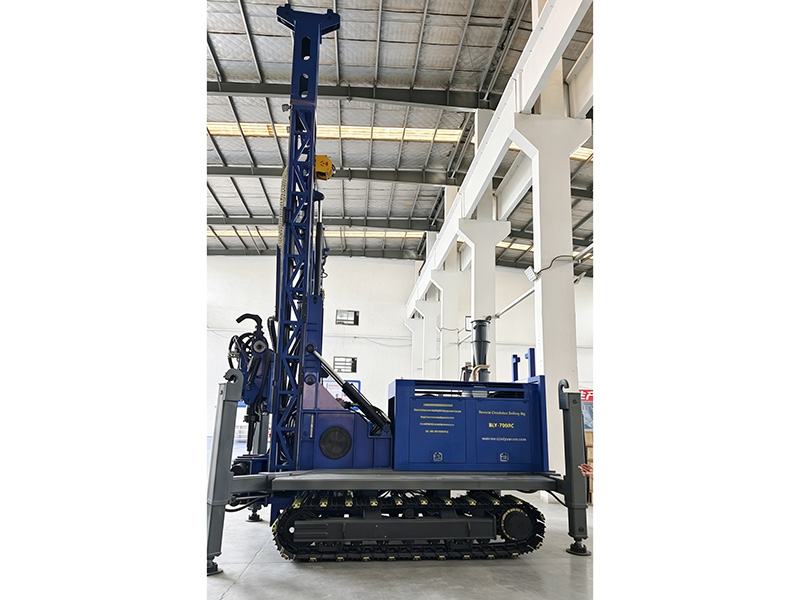
Mast lifting, rotation, feeding, walking, leveling, and hoisting are all hydraulic.
Lightweight operation, low labor intensity, and safe construction.
3. Crawler self-propelled
Strong climbing ability, flexible transition, suitable for complex terrain in mountainous and mining areas.
4. Multi functional compatibility
Can also be used for pneumatic down the hole hammer drilling, water well drilling, and anchor/grouting hole construction.
5. High reliability
Key hydraulic components (pumps, motors, valves) are mostly imported brands with low failure rates and easy maintenance.
Frequently Asked Questions (FAQs)
Q1: How powerful is an RC drill rig?
A1: Power ranges from 90 kW (about 120 HP) in smaller rigs to over 260 kW (350 HP) in larger models, depending on drilling depth and ground hardness.
Q2: What are the advantages of reverse circulation drilling?
A2: RC drilling offers faster drilling speeds, cleaner samples, reduced environmental impact, and cost savings compared to conventional rotary or core drilling.
Q3: Can RC rigs replace core drilling rigs?
A3: No, RC rigs are ideal for early to mid-stage exploration, but core drilling rigs are necessary for detailed geological analysis requiring intact core samples.
Q4: How much maintenance do RC rigs require?
A4: Routine maintenance is essential but comparable to other heavy drilling equipment. Regular inspections, lubrication, and cooling system checks ensure longevity.






 Home
Products
Reverse Circulation Drill Rig
BLY-700RC Reverse Circulation Drill Rig
BLY-700RC Reverse Circulation Drill Rig
Home
Products
Reverse Circulation Drill Rig
BLY-700RC Reverse Circulation Drill Rig
BLY-700RC Reverse Circulation Drill Rig