





About Us


About Us
Wuxi PolySource Geological Equipment Co., Ltd. is a high-tech enterprise specializing in the R&D, manufacturing, and sales of specialized equipment for geological exploration and mining machinery. the company is located at No. 300 Yuexi Road, Ehu Town, Xishan District, Wuxi City. As an emerging force in the industry, PolySource focuses on technological innovation and provides efficient, durable, professional equipment solutions for geological exploration and mining.
Core Products and Services 1. Geological Exploration Equipment Product Range: Covers geological drilling equipment, geotechnical sampling equipment, suitable for mineral exploration, engineering geological surveys, and environmental monitoring......

Products
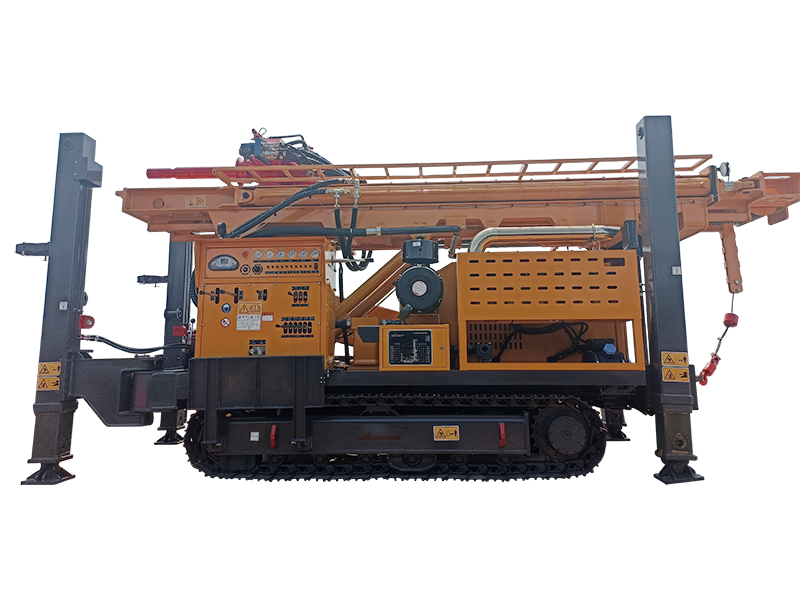
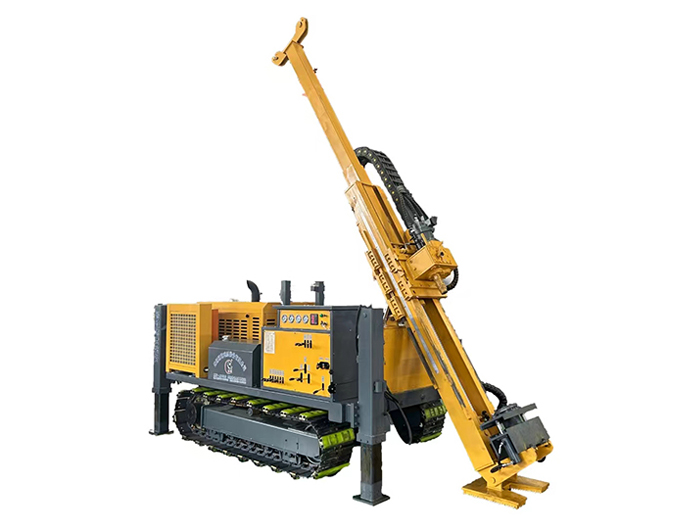
Reverse Circulation Drill Rig

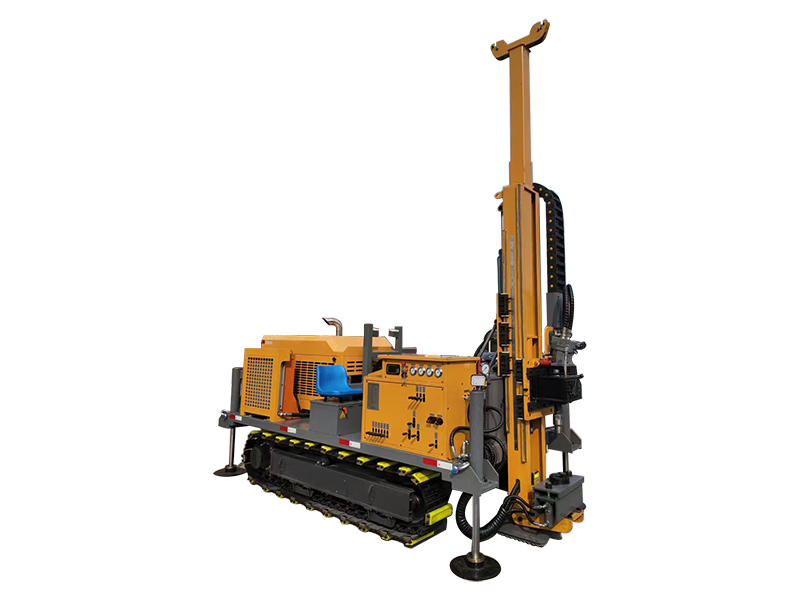
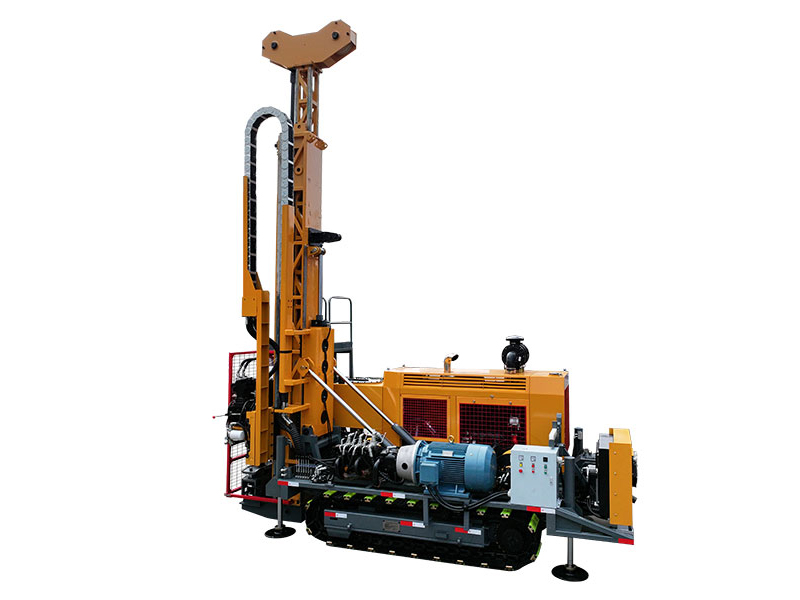
Full Hydraulic Core Drilling Rig

Anchor Drilling Rig

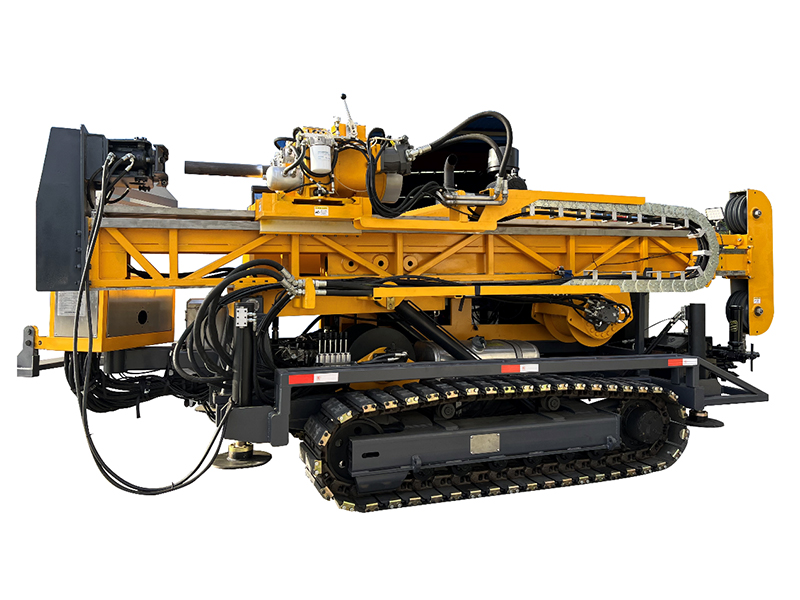
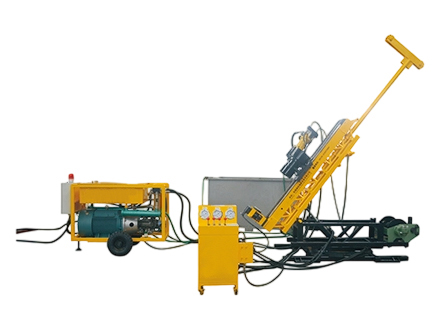
Fully Hydraulic Tunnel Drilling Rig

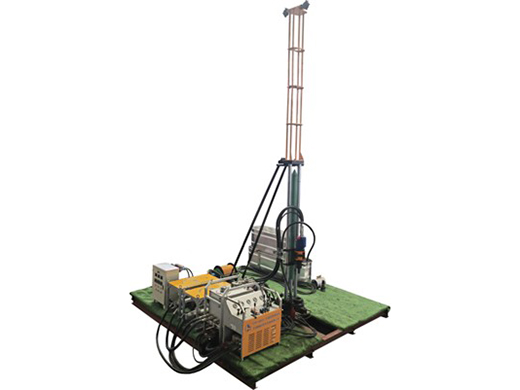
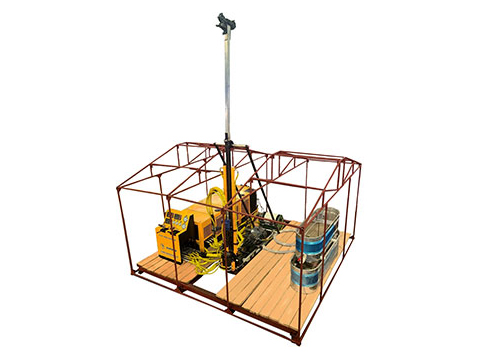
Lightweight Full Hydraulic Drill

Drill Bit Reamer

Drill Pipe Casing

Drilling Tools

Auxiliary Drilling Tools

Hot Products
Our Advantage

Strong product development capabilities and advanced fabrication equipment, can be customized according to customer's special requirements.

Covers geological drilling equipment, geotechnical sampling equipment,Supporting Equipment for Mining Exploration,Complete sets of wireline drilling tools

Collaborates with universities and research institutions to continuously optimize performance and extend equipment lifespan.

Offers 24-hour technical support, equipment repair, and spare parts supply to ensure efficient customer operations.
Latest News
2026-10-26
Imagine a machine the height of a 15-story building tasked with guiding a steel needle three miles underground. That is the massive scale of modern drilling equipment. While casual observers often confuse these towers with pumps that extract oil, a rig has a distinct purpose: it exists solely to create the hole. Just as a house requires more than a hammer, these structures rely on complex engineering to function. Rather than a single machine, experts define what are the components of a drilling rig as five synchronized systems. To cut through rock, separate mechanical teams must simultaneously power the site, hoist loads, rotate pipe, circulate fluids, and control pressure. This coordination turns a steel skeleton into a working system. The Steel Skeleton: Why the Substructure and Derrick Support Millions of Pounds If you visit a land rig, you will notice the main work area floats up to 30 feet in the air. This elevated base, known as the substructure, does more than just add height. By lifting the platform, engineers create a vital "basement" area underneath for the massive safety valves that control the well pressure. Rising from this base is the derrick, the tall steel tower that defines the skyline...
2026-10-19
Imagine trying to drill a precise hole in a piece of wood while standing on a platform tossed by waves. Now, apply that difficulty to working through 5,000 feet of moving ocean water. This logistical nightmare illustrates why a "rig" is not merely a drill bit, but a complex, mobile factory. In industrial terms, the rig acts as the massive support structure housing the machinery, power, and crew required to drive a bit miles into the earth for exploration. Since valuable resources exist in vastly different locations, one design cannot fit all. A setup built for the solid Texas plains would vanish in the North Sea. Consequently, the environment dictates the machinery. Whether facing unstable deep water or rocky desert terrain, these engineering marvels are specialized to provide stability for extraction in the world's harshest conditions. How Mobile Land Rigs Travel Like Giant RVs Across Changing Terrains Driving down a rural highway, you might mistake a mobile drill rig for a standard construction crane folded onto a flatbed truck. These truck-mounted units represent the ultimate flexibility in onshore drilling. Unlike a skyscraper that stays put once built, these machines are designed to drill a w...
2026-10-12
Before a single brick is laid, builders must answer a critical question: Is the ground beneath us solid, or is it a disaster waiting to happen? While a flat, grassy lot might look stable, industry experience proves that surface appearances are notoriously misleading. Attempting to build without checking below is a gamble, often akin to placing a heavy stone on a hidden, water-logged sponge. To prevent expensive failures, geotechnical engineering experts rely on a process best described as an "earth biopsy." Geotechnical drilling acts like a medical check-up for the land, extracting deep soil samples to diagnose the site's structural health. This essential ground investigation ensures that what lies beneath can actually support the weight above, providing the safety and peace of mind every project requires. How Geotechnical Drilling Prevents Sinking Foundations and Cracked Walls Imagine placing a heavy brick on a marshmallow versus a cinder block. That is essentially what engineers look for when they measure soil bearing capacity. It isn’t enough to simply know there is dirt down there; builders need to know exactly how much weight that dirt can support before it squishes or shifts. Without this c...
2026-10-05
Imagine trying to hit a dartboard while standing atop a skyscraper, using a string of spaghetti as your arrow. That is the sheer physical scale of the drilling challenge. While the crew operates the rig, someone must actually see through the rock. The geologist's role in drilling is like a surgeon guiding a needle, transforming expensive blindness into calculated scientific drilling. How "Rock Crumbs" Reveal the Secrets of the Deep Drilling creates debris that acts like a status report from the deep. As the bit grinds through rock, it sends small chips—known as cuttings—back to the surface via circulating fluid. This "mud" acts like a conveyor belt, delivering fresh evidence directly to the geologist's hands. Mud logging interprets these samples as a real-time diary of the well. The geologist washes the fragments and examines them under a microscope for three specific markers: Color shifts: A sudden change often signals the transition into a new layer. Texture: Gritty grains suggest porous sandstone, while smooth chips indicate tight shale. Fluorescence: Rocks containing oil often glow bright yellow under UV light. Matching these clues to known maps vi...
2026-09-28
A geological drilling rig is a professional equipment that drills from the surface into the ground to obtain samples of rocks, soil, minerals, etc. It is not only the ""key"" to exploring the mysteries of the deep Earth but also an indispensable core tool in resource development, engineering construction, and scientific research. This article will detailedly analyze the functional applications, price range, and selection points of geological drilling rigs to help you fully understand this key equipment. I. Core Functions and Application Scenarios of Geological Drilling Rigs The application of geological drilling rigs covers multiple fields, and their functions are refined according to scene requirements, mainly reflected in the following aspects: 1. Resource Exploration and Mining: The ""Discoverer"" of Energy and Minerals In the field of resource exploration, geological drilling rigs are the core equipment for finding underground resources. Whether it is energy resources such as oil and natural gas, or solid minerals such as coal and metal ores, it is necessary to obtain underground rock samples through drilling to analyze resource distribution, reserv...
2026-09-21
Oil drilling is a core link in energy development, and the performance and configuration of its equipment are directly related to drilling efficiency, operational safety, and the sustainability of resource extraction. With the growth of energy demand of drilling environments, oil drilling equipment continues to make breakthroughs in technological iteration and functional optimization. This article will provide a comprehensive interpretation of the core knowledge of oil drilling equipment from three dimensions: equipment types, technical characteristics, and price-influencing factors. I. Core Types of Oil Drilling Equipment Oil drilling equipment is a complex system integration, with different subsystems having clear divisions of labor to jointly support the efficient progress of drilling operations. The following are the main equipment types and their functions: 1. Hoisting System The hoisting system is the ""lifting core"" of the drilling rig, mainly responsible for hoisting and lowering the drill string, running casing, and controlling the bit feed rate, ensuring stable operation of the drill string during drilling. Its core components include the main drawworks, auxilia...


 Quality Management
 R&D Capability
 Environmental Compliance
