What Are The Different Types Of Drilling Rigs
Release time:2026-10-19
Visits:194
Imagine trying to drill a precise hole in a piece of wood while standing on a platform tossed by waves. Now, apply that difficulty to working through 5,000 feet of moving ocean water. This logistical nightmare illustrates why a "rig" is not merely a drill bit, but a complex, mobile factory. In industrial terms, the rig acts as the massive support structure housing the machinery, power, and crew required to drive a bit miles into the earth for exploration.
Since valuable resources exist in vastly different locations, one design cannot fit all. A setup built for the solid Texas plains would vanish in the North Sea. Consequently, the environment dictates the machinery. Whether facing unstable deep water or rocky desert terrain, these engineering marvels are specialized to provide stability for extraction in the world's harshest conditions.
How Mobile Land Rigs Travel Like Giant RVs Across Changing Terrains
Driving down a rural highway, you might mistake a mobile
drill rig for a standard construction crane folded onto a flatbed truck. These truck-mounted units represent the ultimate flexibility in onshore drilling. Unlike a skyscraper that stays put once built, these machines are designed to drill a well, pack up, and move to the next location within hours. This "pop-up" capability allows engineers to access tight spaces or explore remote areas without the logistical nightmare of constructing a permanent facility from scratch.
When the target reservoir lies miles beneath the surface, however, the equipment becomes too heavy for a single vehicle. In these cases, engineers rely on modular design, breaking the rig down into transportable sections like a massive industrial LEGO set. Regardless of size, every land-based system relies on three primary components to function:
The Mast: The tall tower that lifts the pipe, providing the vertical height needed to drill deep.
The Power System: Usually large diesel engines that generate the electricity to run the entire operation.
Mud Pumps: The heart of the rig that circulates drilling fluid to keep the machinery cool and clean.
Modern engineering has also refined how these heavy components are hoisted. While older rigs relied on complex systems of cables and pulleys, newer hydraulic drill rigs use pressurized fluid to lift pipes with smooth, robotic precision. This hydraulic power offers safer control and faster setup times, removing much of the manual labor once required on the drill floor. But as efficient as these mobile giants are on solid ground, they face a completely different set of physical laws when the drilling surface isn't soil, but the shifting tides of the ocean.
Why Jack-Up Rigs Stand High Above the Waves in Shallow Waters
Once the search for resources moves past the coastline, engineers face a new adversary: the moving ocean surface. For shallow depths—generally up to 500 feet—the industry relies on the Jack-up rig, a massive mobile offshore drilling unit that functions like a retractable camping table. These vessels are towed into position with their three or four truss-style legs raised high in the air like metallic towers. Upon arrival, powerful gear systems drive the legs down until they penetrate the seabed, physically lifting the entire 20,000-ton hull above the waves. This transformation creates a stable, fixed island safe from the rocking motion of the tides below.
In even shallower environments, such as calm inland bays or river deltas, operators often deploy specialized shallow water barge drilling operations. Unlike their towering cousins, these flat-bottomed vessels often flood their own lower hulls to intentionally sink and rest heavily on the muddy bottom, creating a solid foundation in just ten or twenty feet of water. However, both barges and Jack-ups share a critical limitation: they require physical contact with the ocean floor to stay upright. As oil reserves are discovered in waters deeper than the Empire State Building is tall, steel legs become impossible to manufacture, requiring a shift to technology that allows rigs to float indefinitely while drilling.
How Floating Cities Stay Perfectly Still While Drilling Miles Under the Ocean
When the ocean floor drops away to depths of 3,000 feet or more, engineers can no longer build legs long enough to stand on the bottom. Instead, the industry relies on semi-submersible rigs to solve the problem of stability. These massive structures sit on giant underwater pontoons that are flooded with water, causing the rig to sink partially until it sits low and heavy in the sea. Much like an iceberg remains steady while a cork bobs violently on the surface, this design minimizes the impact of crashing waves, creating a calm platform for drilling even during storms.
For operations requiring extreme mobility or access to ultra-deep waters, the industry utilizes drillships. While they look like standard merchant vessels, they possess a hidden capability called Dynamic Positioning. Since anchors are often useless miles above the seafloor, these ships use satellite tracking to command powerful propellers underneath the hull. These thrusters constantly adjust to wind and currents, allowing the massive ship to hover over a specific patch of seabed with the precision of a drone fighting a breeze.
Operators choose between these floating giants based on specific project needs:
Semi-submersibles: Prioritize stability in rough seas and stay in one location for long periods.
Drillships: Offer higher speeds for moving between drill sites and carry more supplies for remote work.
Regardless of which vessel floats above, neither connects structurally to the ground. Instead, they lower a long steel pipe down to a critical safety device called a Blowout Preventer (BOP). Sitting on the ocean floor like a heavy-duty fire hydrant, the BOP can seal the well instantly if underground pressure spikes, securing the site despite the miles of water separating the rig from the earth. While these oceanic titans focus on fuel, other specialized machines are designed to harvest heat and analyze rock samples on land.
Why Core Drilling and Geothermal Rigs Are Built for More Than Just Oil
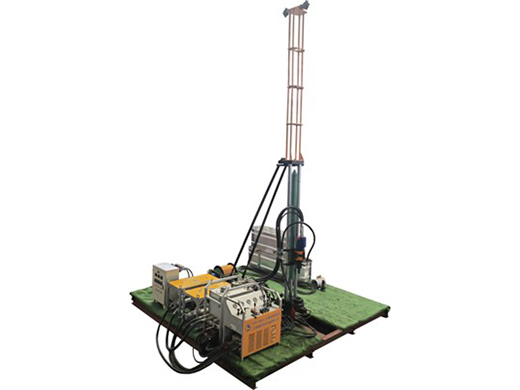
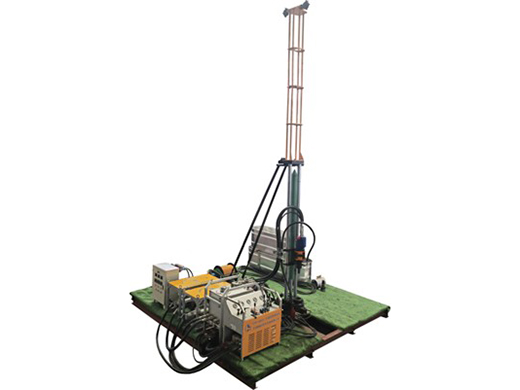
While oceanic giants hunt for liquid fuel, land-based exploration often utilizes machines that act more like scientists than industrial pumps. A core drilling rig uses a hollow bit to extract a solid cylinder of rock, acting like an apple corer to reveal the earth's geological layers for analysis. For faster sampling in mining, an RC drill (Reverse Circulation) uses compressed air to blast rock chips up a specialized tube. These units often toggle between rotary and percussion drilling methods—spinning to cut or hammering to chip—depending on whether they encounter soft dirt or hard granite.
Capturing the earth's internal heat requires even tougher engineering than simple extraction. Geothermal energy involves piercing volcanic rock far hotter than typical oil reservoirs, necessitating specific geothermal designs distinct from standard oil and gas rigs. Because standard electronics and rubber seals would melt in these wells, engineers equip these rigs with specialized cooling systems and heat-resistant alloys. Ultimately, the choice of machinery—from massive ships to heat-proof towers—depends entirely on the specific obstacles buried beneath the surface.
How Geologic Depth and Water Conditions Dictate Which Rig Engineers Deploy
You no longer just see generic towers; you see specific answers to nature's challenges. Whether utilizing a mobile unit for exploration or a permanent structure for production, the choice depends on water depth and weather. Close analysis of drilling rig selection for various terrains reveals that these giants are bespoke tools built to survive specific environments.
As the industry evolves, the focus is shifting toward automation and minimizing the environmental impact of different drilling platforms. Whether spotting a rigid fixed platform or a compliant tower swaying with the waves, you can now appreciate these mechanical islands for the incredible engineering required to keep them standing.