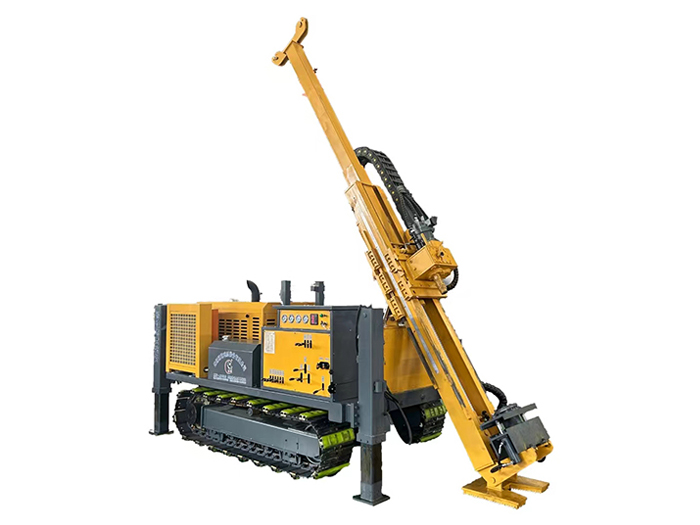
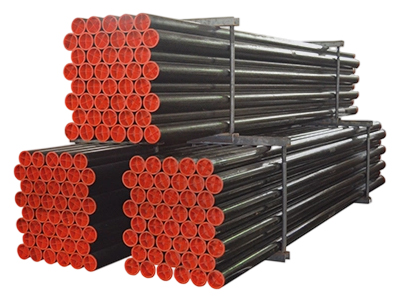
Oil drilling is a core link in energy development, and the performance and configuration of its equipment are directly related to drilling efficiency, operational safety, and the sustainability of resource extraction. With the growth of energy demand of drilling environments, oil drilling equipment continues to make breakthroughs in technological iteration and functional optimization. This article will provide a comprehensive interpretation of the core knowledge of oil drilling equipment from three dimensions: equipment types, technical characteristics, and price-influencing factors.
I. Core Types of Oil Drilling Equipment
Oil drilling equipment is a complex system integration, with different subsystems having clear divisions of labor to jointly support the efficient progress of drilling operations. The following are the main equipment types and their functions:
1. Hoisting System
The hoisting system is the ""lifting core"" of the drilling rig, mainly responsible for hoisting and lowering the drill string, running casing, and controlling the bit feed rate, ensuring stable operation of the drill string during drilling. Its core components include the main drawworks, auxiliary drawworks, braking device, and traveling block system, etc. It realizes the lifting and positioning of the drill string through mechanical transmission and is a key system to ensure the continuity of drilling.
2. Rotating System
The function of the rotating system is to drive the drill string to rotate, thereby breaking underground rocks and forming a drilling channel. The core equipment includes the rotary table and the swivel: the rotary table drives the bit to rotate by turning the drill string, and the swivel connects the drill string with the circulation system, maintaining the continuous delivery of drilling fluid during rotation. The two work together to ensure efficient drilling operations.
3. Circulation System
The circulation system is the ""circulation hub of drilling fluid"", and its main function is to remove the broken cuttings during drilling, cool the bit, and balance the wellbore pressure to ensure continuous drilling. Its components include mud pumps, surface manifolds, mud tanks, and purification equipment. Through the circulation of drilling fluid, cuttings are brought out of the wellhead, and downhole pressure is maintained stable to prevent safety accidents such as blowouts.
4. Power System
The power system is the ""power heart"" of the drilling rig, providing power for core equipment such as drawworks, mud pumps, and rotary tables. Common power sources include diesel engines, electric motors, or gas turbines. The appropriate power type is selected according to the operating environment and power requirements to ensure the power supply for the coordinated operation of various systems.
5. Transmission System
The transmission system is responsible for transmitting and distributing the mechanical energy from the power system to each working unit, with functions such as speed reduction, combining, and reversing. Through gear, chain, or hydraulic transmission, it realizes efficient power distribution and ensures the stable operation of drawworks, mud pumps, and other equipment under different working conditions.
6. Control System
The control system is the ""brain"" of the drilling rig, coordinating the operation rhythm of various systems through pneumatic, hydraulic, mechanical, or electrical control methods. The centralized control console and observation and recording instruments monitor the equipment status in real-time, and operators can adjust drilling parameters through the control system to ensure the accuracy and safety of operations.
7. Substructure
The substructure provides a stable support platform for the drilling rig, including the drill floor substructure, engine room substructure, and mud pump substructure. For truck-mounted drilling rigs, the substructure is usually integrally designed with the truck or tractor chassis, facilitating equipment movement and on-site deployment to meet the needs of different drilling scenarios.
8. Auxiliary Equipment
Auxiliary equipment is the ""logistical support"" for drilling operations, including air compressors, wellhead blowout prevention equipment, auxiliary power generation equipment, lifting equipment, and living quarters. Although not part of the core drilling system, these equipment play an important role in ensuring operational safety, improving efficiency, and improving the working environment.
II. Technological Development Trends of Oil Drilling Equipment
As drilling operations extend to deep wells, ultra-deep wells, and complex geological conditions, the technology of oil drilling equipment is developing towards intelligence, high efficiency, and greenization:
1. Integration of Intelligence and Digitalization
New-generation drilling rigs are highly integrated with digital control technology to achieve integrated coordination of mechanical, electrical, pneumatic, and hydraulic systems. Real-time collection of equipment operation data through sensors, combined with intelligent algorithms to optimize drilling parameters, reduces manual intervention and improves operation accuracy and safety. For example, intelligent monitoring systems can equipment failures in real-time, reducing the risk of downtime.
2. Green Efficiency and Energy-Saving Design
Environmental protection requirements are driving equipment upgrades towards low energy consumption and low emissions. The power system adopts high-efficiency engines or motors to reduce energy waste; the drilling fluid circulation system optimizes the purification process to reduce waste fluid emissions; the lightweight design of equipment structure reduces material consumption, achieving the goal of ""green drilling"".
3. Improvement of High Reliability and Safety
In view of complex geological environments (such as high-temperature, high-pressure, and high-sulfur formations), equipment continues to improve in material strength, sealing performance, and safety protection. The performance upgrades of safety equipment such as wellhead blowout prevention systems and emergency braking devices effectively reduce the risk of accidents such as blowouts and stuck pipes, ensuring the safety of operators and the environment.
4. Rapid Mobility and Flexible Deployment
For the exploration of dispersed resources such as shale gas and coalbed methane, the mobility of drilling rigs becomes crucial. Modularly designed drilling rigs can be quickly disassembled and assembled, and truck-mounted or skid-mounted substructures shorten on-site deployment time, adapting to drilling needs in different regions and improving operational flexibility.
III. Factors Affecting the Price of Oil Drilling Equipment
The price of oil drilling equipment is affected by many factors and needs to be comprehensively evaluated based on actual needs:
1. Equipment Type and Function
Core systems (such as circulation systems and power systems) usually have higher prices than auxiliary equipment due to high technical complexity and large power requirements; drilling rigs with intelligent functions (such as intelligent monitoring and automatic bit feeding) have relatively high costs due to the integration of advanced technologies.
2. Specifications and Configuration
The price of the same type of equipment varies significantly with specifications (such as drilling depth, power, and processing capacity). For example, drilling rigs suitable for ultra-deep wells have higher prices than shallow well drilling rigs due to higher material strength and power requirements; customized configurations (such as explosion-proof design and special environment adaptability) will also increase equipment costs.
3. Market Supply and Demand and Brand Selection
Fluctuations in market demand and changes in raw material prices (such as steel and engine parts) will affect equipment pricing; equipment of different brands has price differences due to differences in technical maturity and after-sales service systems. It is necessary to comprehensively select based on cost performance and long-term maintenance costs.
Conclusion
Oil drilling equipment is an important cornerstone of energy development, and its diversity of types and advancement of technology directly determine the efficiency and safety of drilling operations. With the continuous innovation of industry technology, intelligence and greenization will become the core direction of future equipment development. When selecting equipment, it is necessary to comprehensively evaluate equipment performance and cost-effectiveness based on operation needs, geological conditions, and cost budgets to achieve the goals of efficient, safe, and sustainable energy development."