In Deep Geological Exploration, How Does The Full Hydraulic Core Drilling Rig Cope With High-Pressure Formation Environments?
Release time:2025-12-05
Visits:374
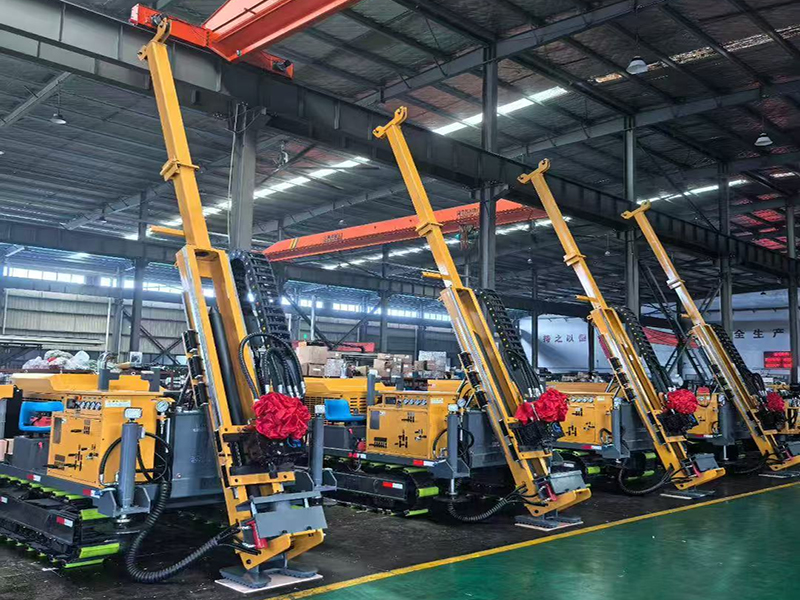
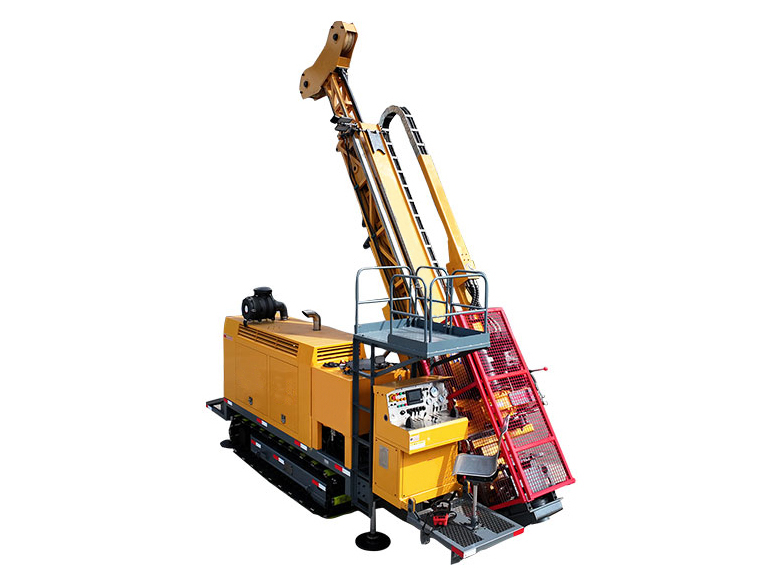
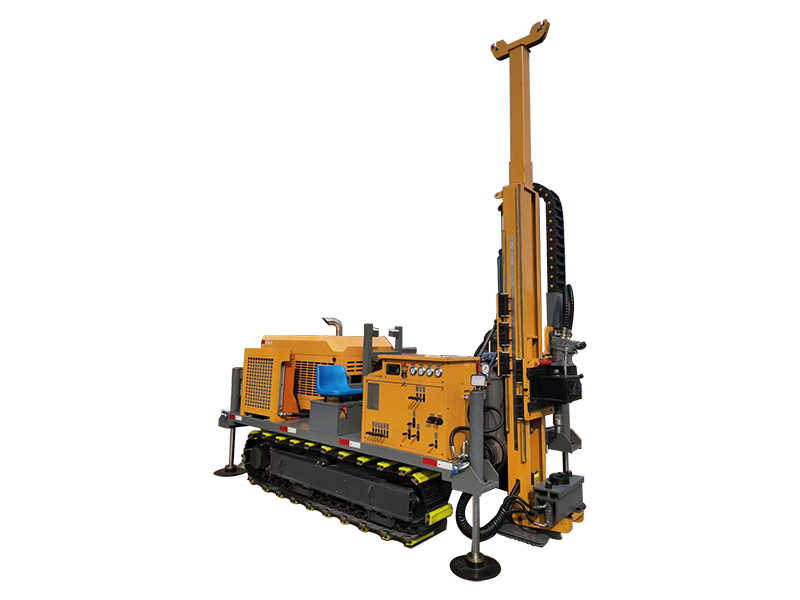
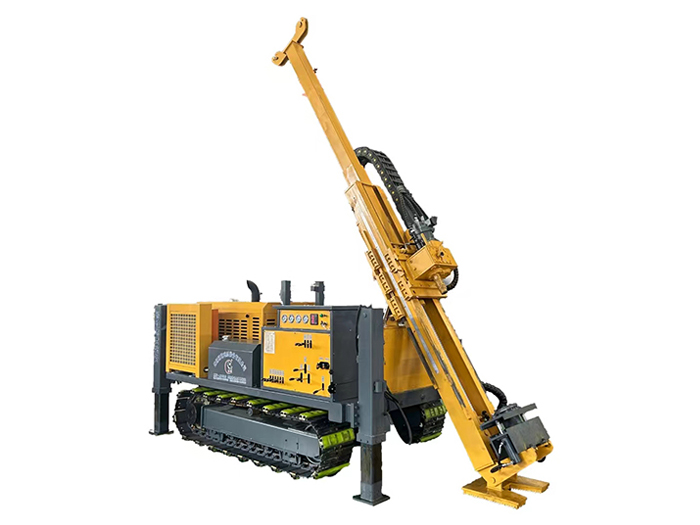
In deep geological exploration operations, high-pressure formations pose challenges to the operation of the full hydraulic core drilling rig. When the rig drills to a certain depth, the formation pressure gradually increases. At this point, the rig’s hydraulic system balances the internal and external pressure through its pressure compensation function, preventing drill pipe deformation caused by excessive pressure differences. Workers monitor the hydraulic gauge data in real time and fine-tune the system pressure according to changes in the values to ensure the rig operates in a stable state.
High-pressure formations are often accompanied by increased rock hardness, and the drill bit drive unit of the full hydraulic core drilling rig adjusts the output torque. When encountering hard rock, the drive unit reduces the drilling speed and increases the torque, breaking the rock through slow grinding to reduce the risk of drill bit damage due to excessive instantaneous force. At the same time, the rig’s cooling system enhances heat dissipation to prevent the hydraulic oil temperature from rising too high due to continuous high-load operation, which could affect system performance.
In addition, high-pressure formations may have mud leakage issues, and the mud circulation system of the full hydraulic core drilling rig plays a role here. The system increases the viscosity of the mud to improve its sealing ability, and adjusts the displacement of the circulation pump to ensure the mud fills the borehole gaps in a timely manner. This prevents the intrusion of formation fluids and ensures the integrity of core samples, providing a reliable basis for subsequent geological analysis.