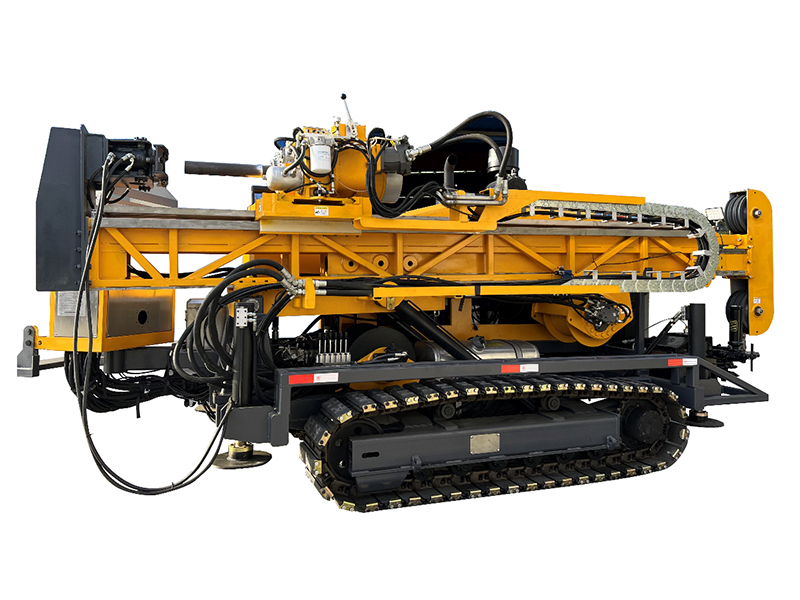
During Field Emergency Exploration, How Does The Full Hydraulic Portable Drill Rig Adapt To Limited Transportation Conditions?
Release time:2025-12-05
Visits:450
Field emergency exploration often takes place in remote areas, with transportation tools mostly being small off-road vehicles or manual carrying. The lightweight design of the Full Hydraulic Portable Drill Rig plays a key role first. Its body is made of high-strength lightweight alloy, and the overall weight is controlled within a range that can be carried by a single person. No large lifting equipment is needed—workers can transport the drill rig components to the operation site by backpack or hand-carrying, reducing reliance on transportation tools.
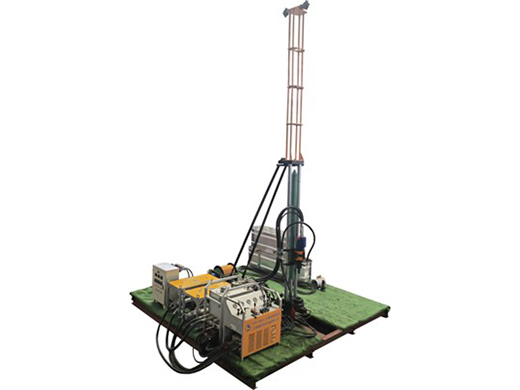
When facing rugged mountain roads or narrow forest paths, the modular disassembly function of the drill rig is particularly important. The Full Hydraulic Portable Drill Rig can be disassembled into independent components such as the power unit, hydraulic system, and drilling tools. Each component is small in size and can easily pass through narrow gaps or steep slopes. After reaching the operation site, workers only need to use simple buckle connections to complete the drill rig assembly, without the help of complex tools, which shortens the preparation time.
If temporary wading sections are encountered during transportation, the waterproof structure of the drill rig will show its advantages. Its key components, such as hydraulic valves and motor interfaces, are designed with seals and wrapped in waterproof rubber sleeves on the outside. Even if they come into contact with accumulated water for a short time, they can prevent internal components from being damaged by moisture. At the same time, the outer packaging of the drill rig is made of wear-resistant and waterproof fabric, which can protect the components from rain or mud erosion during transportation and ensure that the drill rig can start normally after reaching the site.