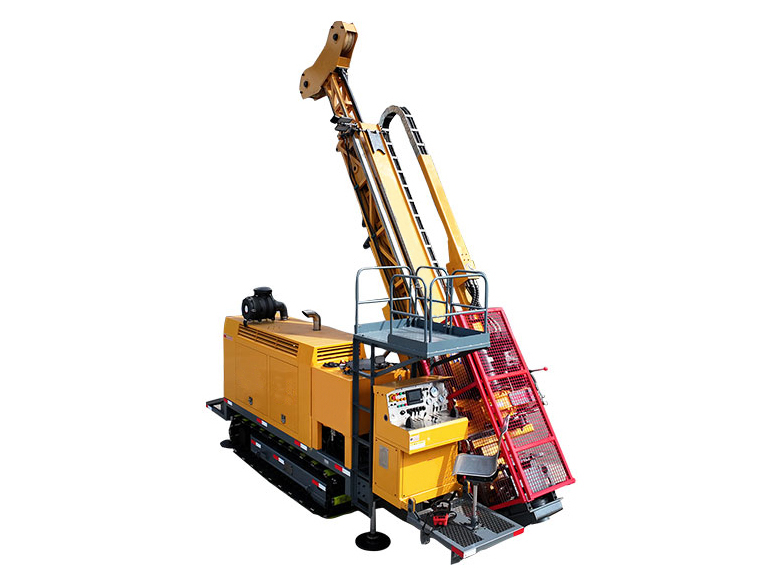
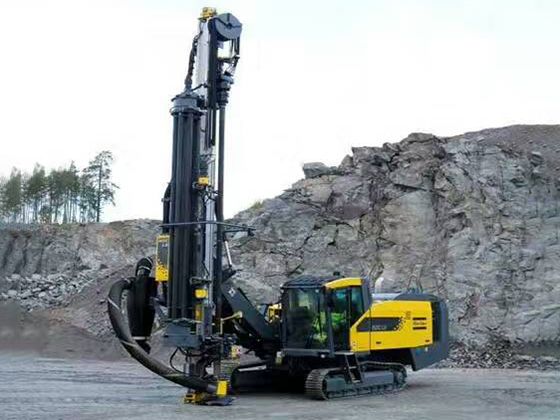
Drilling machinery is an indispensable key equipment in modern industrial production. Widely used in numerous fields such as construction, manufacturing, oil and gas, and aerospace, they are employed to precisely and efficiently create round holes in various materials. Choosing the appropriate drilling machinery can not only significantly improve production efficiency but also ensure processing quality and reduce costs. This article will detail the main types of drilling machinery, their application scenarios, and the core factors to consider when making a selection.
I. Main Types of Drilling Machinery
Drilling machinery can be classified according to different criteria, with common classifications including operation mode, structure, function, and power source.
1. Classification by Operation Mode
Manual Drilling Machines: Rely on human operation, have a simple structure, and relatively low cost. They are suitable for simple drilling tasks with low precision requirements and small workloads.
Semi-automatic Drilling Machines: Combine the flexibility of manual operation with some advantages of automation, which can reduce manual labor intensity to a certain extent and improve production efficiency.
CNC Drilling Machines: Precisely control the drilling process through computer programs, featuring extremely high processing accuracy and production efficiency. They are particularly suitable for batch processing of complex parts and precision drilling tasks.
2. Classification by Structure
Bench Drilling Machines: Usually installed on workbenches, they are compact in size and stable in operation, suitable for drilling small workpieces.
Vertical Drilling Machines: Installed vertically, they have good rigidity and relatively large power, suitable for drilling medium and larger workpieces.
Radial Drilling Machines: Their spindle box can move horizontally along the radial arm, which can also rotate and lift around the column, greatly expanding the processing range. They are suitable for drilling large, heavy workpieces and multiple hole positions.
Portable Drilling Machines: Designed to be compact and lightweight, easy to carry and move, they are very suitable for on-site operations such as construction sites, installation or maintenance of large equipment.
3. Classification by Function
General Drilling Machines: The most widely used, mainly for processing ordinary round holes in various common materials such as metal, wood, and plastic.
Deep Hole Drilling Machines: Specifically used for processing holes with large depth, which usually have a large length-to-diameter ratio. They have important applications in industries such as oil and gas extraction, mold manufacturing, and aerospace.
Gun Drills: Suitable for processing small-diameter precision deep holes, with high hole processing accuracy and surface quality, commonly used in precision mechanical processing fields.
Center Drills: Mainly used to drill center holes in workpieces, providing precise positioning benchmarks for subsequent drilling, reaming, or turning operations.
Tapping Machines: Specifically used for cutting internal threads in already processed holes, and are important equipment for thread processing.
4. Classification by Power Source
Electric Drilling Machines: Powered by electricity, they are easy to use and have a wide range of applications, making them one of the most commonly used types of drilling machines currently.
Hydraulic Drilling Machines: Utilize a hydraulic system to provide power, featuring large output torque, stable operation, and low noise. They are suitable for heavy-duty drilling operations requiring large cutting forces.
Pneumatic Drilling Machines: Powered by compressed air, they usually have the advantages of lightweight structure, simple maintenance, and high safety. They are suitable for light drilling tasks in some specific environments.
II. Wide Application Fields of Drilling Machinery
With their diverse types and functions, drilling machinery plays an important role in various industrial fields:
Construction Industry: Used for drilling operations on materials such as steel bars, concrete, and masonry in infrastructure construction such as house building, bridge construction, and road construction.
Manufacturing Industry: Indispensable equipment in industries such as mechanical processing, automobile manufacturing, and electronic equipment production, used for hole processing of various parts.
Oil and Gas Industry: Large deep hole drilling machines can meet the demand for deep well drilling in oil and gas exploration and extraction.
Aerospace Industry: Has extremely high requirements for the processing accuracy and reliability of components. High-precision CNC drilling machines and special drilling equipment are widely used in this field.
Automotive Industry: A large number of high-precision drilling processes are required in the manufacturing process of key components such as engines, gearboxes, and chassis.
III. How to Select the Appropriate Drilling Machinery
When selecting drilling machinery, the following key factors need to be comprehensively considered to ensure that the equipment meets actual production needs:
Drilling Task Requirements: Clearly define the diameter range, depth of the hole, precision requirements (such as position accuracy, tolerance, surface roughness, etc.), and whether additional functions such as tapping are needed.
Material Type: The physical properties such as hardness and toughness of the material to be processed directly affect the selection of the drilling machine. For example, the drilling machines and tools required for processing cemented carbide are very different from those for processing wood.
Production Efficiency: According to the number of holes, batch size, and production rhythm requirements, select manual, semi-automatic, or fully automatic (CNC) drilling machines.
Cost Budget: Including the purchase cost of the equipment, operating costs (such as energy consumption, tool consumption), maintenance costs, etc. On the premise of meeting performance requirements, select the equipment with the highest cost performance.
IV. Summary
As basic equipment in modern industrial production, drilling machinery has a rich variety and wide applications. From simple manual tools to highly automated CNC equipment, drilling machinery continues to develop to adapt to the diverse needs of different industries. By fully understanding the type characteristics of drilling machinery, clarifying one's own application scenarios and processing needs, and comprehensively considering various selection factors, enterprises and individuals can make the most suitable choice, thereby effectively improving production efficiency, ensuring product quality, and ultimately maximizing economic benefits. There are many well-known drilling machinery brands on the market offering various products. When choosing, one can comprehensively consider their reputation, service, and matching degree with their own needs."