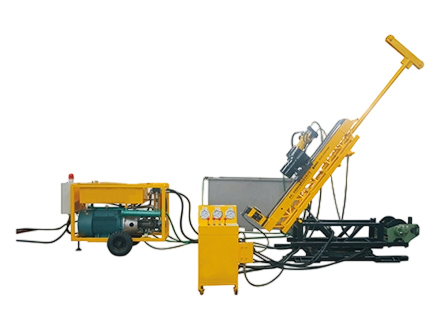
In Mine Excavation, How Does The Coring Drill Rod Adapt To Operational Requirements At Different Depths?
Release time:2025-12-05
Visits:327
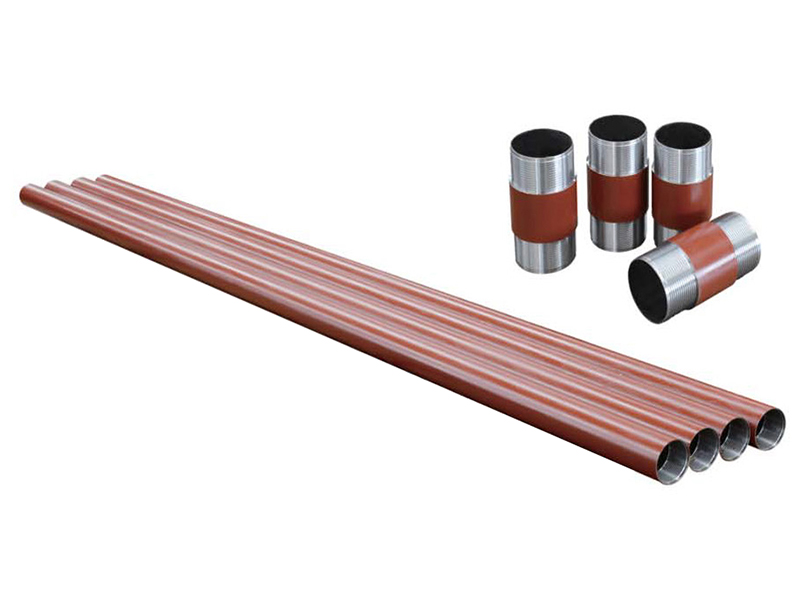
In mine excavation scenarios, operational requirements at different depths bring varying demands for Coring Drill Rods. During shallow-depth excavation, the formation structure is relatively simple. The main task of the Coring Drill Rod is to handle conventional rock fragmentation, and at this stage, the stability of the rod's connections becomes a key factor. Workers will carefully check the fit of the Coring Drill Rod joints to ensure that no loose connections affect the operation progress when the rod rotates at high speed for drilling.
As the operation depth increases, the formation pressure gradually rises, and the hardness of the rock may also increase. At this point, the material characteristics of the Coring Drill Rod start to play a role. Rods with a certain level of toughness and strength can withstand greater pressure while reducing the possibility of breakage caused by hard rocks. Meanwhile, in deep-depth operations, the fatigue resistance of the Coring Drill Rod must be taken into account. Long-term drilling operations keep the rod under continuous stress, and rods with good fatigue resistance can extend the service cycle and reduce the frequency of replacements.
In addition, the slag discharge requirements at different depths also impact the use of Coring Drill Rods. For shallow-depth operations, the slag discharge path is short, so the design of the rod's slag discharge channel is relatively simple. However, deep-depth operations make slag discharge more difficult, requiring a more reasonable layout of the Coring Drill Rod's slag discharge channel. This ensures that the crushed rock slag is discharged smoothly and prevents blockages that would slow down drilling.