Core Drilling Rig: A Core Equipment For Geological Exploration And Engineering Investigation, Its Uses And Operation Guide
Release time:2026-02-16
Visits:308
As a key equipment in the fields of geological exploration and engineering geological investigation, core drilling rigs play an irreplaceable role in modern resource development, engineering construction, and other fields. By accurately obtaining core samples from underground soil or rock, it provides direct basis for geological research, resource evaluation, engineering design, etc. This article will detail the core uses and operation precautions of core drilling rigs to help you fully understand the value and application of this equipment.
Core Drilling Rig: Definition and Core Value
A
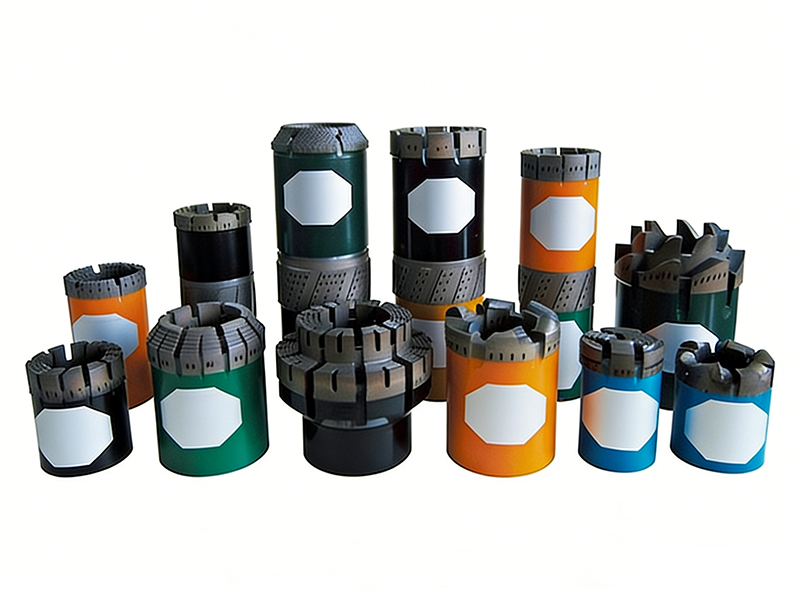
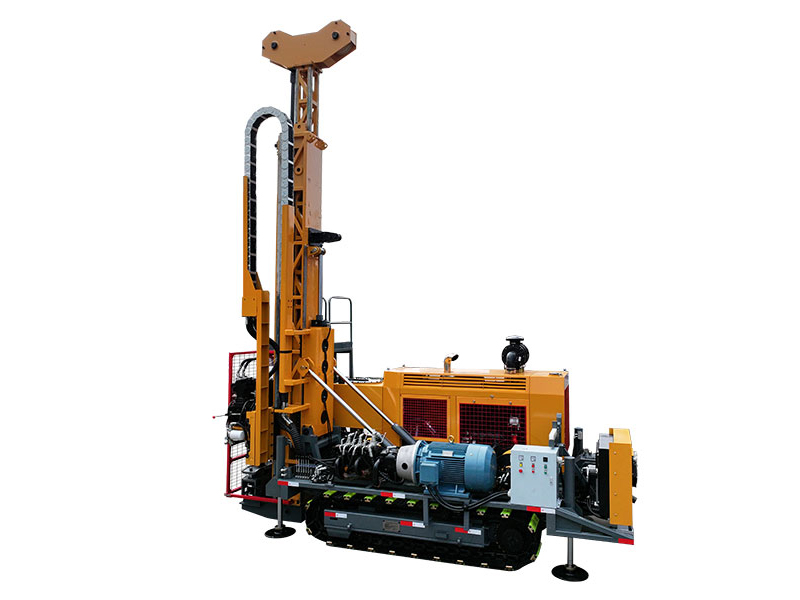
core drilling rig is a device specifically used to drill cylindrical core samples from underground media (soil or rock). These core samples contain key information such as underground structure, rock composition, and geological structure, serving as a ""window"" for geologists, engineers, and resource exploration personnel to obtain underground data. Whether it is mineral resource survey, pre-engineering investigation, or groundwater development, core drilling rigs are indispensable technical tools.
Core Uses of Core Drilling Rigs: Key Applications Across Multiple Fields
Core drilling rigs have a wide range of application scenarios, covering geology, engineering, hydrology, energy, and other fields, including the following categories:
1. Geological Exploration: Revealing the Distribution of Underground Resources
In geological exploration, the core role of core drilling rigs is to obtain underground rock samples. By analyzing the mineral composition and structural characteristics of the cores, geologists can infer underground geological structures (such as faults and folds), the formation age of rocks, and then evaluate the distribution patterns and reserve potential of mineral resources (such as metal ores and non-metal ores). For example, in metal ore surveys, the analysis results of core samples directly determine the trend and mining value of ore veins.
2. Engineering Geological Investigation: Ensuring Engineering Safety and Design
Before engineering construction (such as bridges, tunnels, and high-rise buildings), core drilling must be used to understand the physical and mechanical properties of underground soil and rock (such as hardness, bearing capacity, and stability). These data are the basis of engineering design - for instance, the depth of the foundation and the load-bearing design of the building structure all need to be based on the underground conditions reflected by core samples to avoid engineering accidents caused by geological problems.
3. Hydrogeological Survey: Assisting Water Resource Management
Groundwater is an important freshwater resource. Core drilling rigs are used in hydrogeological surveys to drill aquifer samples, helping to determine the distribution range, burial depth, water quality, and reserves of groundwater. By analyzing the characteristics of the core such as porosity and permeability, the recharge capacity and exploitation potential of groundwater can be evaluated, providing scientific support for the rational development, protection, and management of water resources.
4. Oil and Gas Field Exploration: Evaluating Energy Resource Potential
In oil and gas field exploration, core drilling rigs are used to obtain rock samples from deep underground. These samples may contain oil and gas traces (such as oil and gas inclusions). By analyzing indicators such as organic carbon content and thermal evolution degree, it can be judged whether the area has the conditions for oil and gas generation and storage, providing a key basis for the discovery and development of oil and gas fields.
5. Water Well Drilling: Meeting the Water Demand for Production and Living
In addition to professional exploration, core drilling rigs are also commonly used in civil and industrial water well drilling. By drilling underground aquifer cores, the optimal location and depth for well drilling can be determined, ensuring a stable underground water source to meet the water needs of agricultural irrigation, industrial production, or residential life.
Key Precautions for Using Core Drilling Rigs
To ensure the safe and efficient operation of core drilling rigs, the following points should be noted during use:
1. Operational Safety: Professional Training is a Prerequisite
Core drilling rigs are heavy mechanical equipment. Operators must receive systematic training and be familiar with the equipment structure, operating procedures, and emergency response processes. During operation, protective equipment (such as safety helmets, protective glasses, and non-slip shoes) must be worn to avoid equipment damage or personal injury caused by illegal operations.
2. Environmental Adaptation: Choose the Appropriate Model According to the Scenario
Different operating environments (such as mountains, plains, soft soil, and hard rock) have different performance requirements for drilling rigs. For example, in hard rock areas, a drilling rig with high torque and high drilling efficiency is required; in humid or muddy environments, attention should be paid to the anti-slip and anti-corrosion design of the equipment. Only by choosing a model that matches the environment can drilling efficiency and sample quality be ensured.
3. Maintenance: The Key to Extending Equipment Life
Regular inspection and maintenance of core drilling rigs, including cleaning drilling tools, lubricating key components, and checking circuits and hydraulic systems, can effectively avoid equipment failures and ensure drilling accuracy. When idle for a long time, the equipment should be moisture-proof and dust-proof to ensure stable performance when used again.
Summary
As a ""bridge"" connecting the surface and the underground, core drilling rigs have irreplaceable value in geological exploration, engineering construction, resource development, and other fields. Whether it is mineral survey, engineering investigation, or groundwater development, the accurately obtained core samples are the basis for scientific decision-making. During use, attention should be paid to operational safety, environmental adaptation, and equipment maintenance to give full play to its performance. If you need to further understand the selection or application details of core drilling rigs, you can consult professionals in depth according to specific needs."