Anchor Drilling Rig: Comprehensive Analysis Of Functions, Purchase Guide, And Application Fields
Release time:2026-02-13
Visits:378
In the fields of modern engineering construction and geological disaster prevention, anchor drilling rigs play an indispensable role as key equipment. Whether it is ensuring slope stability, preventing geological disasters, or supporting the smooth progress of infrastructure projects, choosing the right anchor drilling rig directly affects project efficiency and safety. This article will comprehensively analyze the core knowledge of anchor drilling rigs from functional uses, purchase points to application fields, helping you better understand this equipment.
I. Core Functions and Uses of Anchor Drilling Rigs
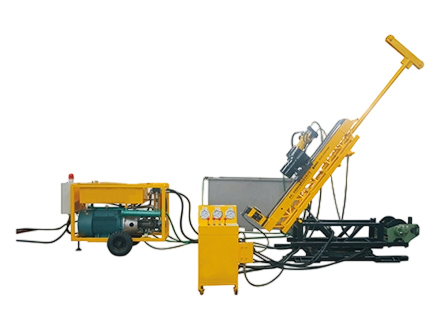
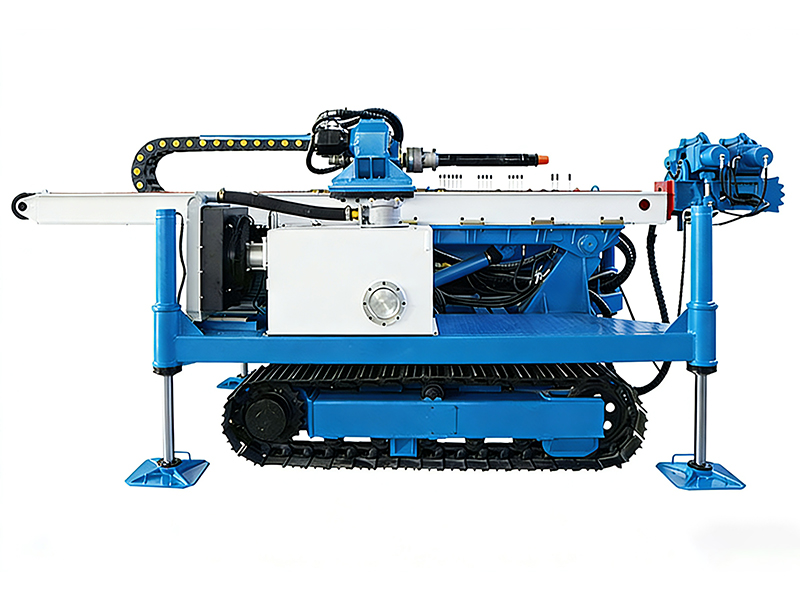
An
anchor drilling rig is a special equipment designed for engineering construction under complex geological conditions. Its core function is to provide stable support for engineering structures or achieve specific construction goals by drilling various types of holes. Specifically, its main uses include:
1. Geological Disaster Prevention
In the management of geological disaster hidden dangers such as landslides and dangerous rock masses, anchor drilling rigs are used to drill anchor cable holes and anchor bolt holes. By implanting anchor cables or bolts, unstable rock masses are connected with deep stable formations, enhancing the stability of slopes or dangerous rock masses and effectively preventing disasters such as landslides and collapses.
2. Engineering Construction Support
In addition to geological disaster prevention, anchor drilling rigs are also widely used in various engineering construction scenarios, such as drilling water wells, pipe shed holes, blasting holes, and micro-pile holes. Whether it is foundation reinforcement in municipal construction or tunnel support in transportation engineering, anchor drilling rigs can lay the foundation for subsequent construction through precise drilling.
3. Multi-scenario Adaptability
With a flexible design, anchor drilling rigs can meet different engineering needs, such as reinforcement holes in deep foundation pit support, heat exchange holes in ground source heat pump systems, tunnel pipe shed support holes, grouting reinforcement holes, etc., making them important tools for cross-domain engineering construction.
II. Key Factors for Purchasing Anchor Drilling Rigs
When choosing an anchor drilling rig, it is necessary to comprehensively consider the following core factors in combination with actual engineering needs and objective conditions to ensure that the equipment performance matches the engineering requirements:
1. Clarify Engineering Requirements
First, the core needs must be determined according to the project type: for example, the required drilling diameter range, depth requirements, construction angle (whether horizontal, inclined or vertical drilling is needed), etc. Different projects have different requirements for drilling accuracy and efficiency, so it is necessary to ensure that the drilling capacity of the equipment matches the engineering parameters.
2. Evaluate Terrain Conditions
The complexity of the construction site's terrain directly affects equipment selection. If the construction area has slopes, rough terrain or space constraints, attention should be paid to the equipment's climbing ability, size (dimensions in transportation and operation states) and mobility to ensure that the equipment can adapt to the site environment and avoid affecting the construction progress due to terrain problems.
3. Reasonably Plan the Budget
The price of anchor drilling rigs varies greatly due to differences in performance and configuration. It is necessary to balance equipment performance and cost within the budget. It is recommended to prioritize cost-effectiveness and avoid blindly pursuing ""high configuration"" or excessively compressing the budget, which may lead to insufficient equipment performance and affect project quality.
4. Attach Importance to Brand and After-sales Service
Choose brands with a good market reputation, as their equipment is more guaranteed in terms of quality stability and technical maturity. At the same time, perfect after-sales service (such as equipment maintenance, spare parts supply, technical support, etc.) can reduce the impact of equipment failures on the project and ensure the smooth progress of construction.
III. Main Application Fields of Anchor Drilling Rigs
The versatility of anchor drilling rigs allows them to play an important role in multiple fields. The following are common application scenarios:
1. Geological Disaster Management
In areas prone to geological disasters such as mountainous areas, slopes, and mines, anchor drilling rigs drill anchor cable holes and anchor bolt holes, and cooperate with reinforcement materials such as anchor cables and bolts to form an integrated structure of ""rock mass - anchor bolt - stable formation"", effectively improving the anti-sliding ability of slopes and reducing the risk of landslides and collapses.
2. Infrastructure Engineering
In infrastructure projects such as construction and transportation, anchor drilling rigs are used for deep foundation pit support (such as bored pile and soil nail wall construction), foundation reinforcement hole drilling, providing a stable foundation support for building structures; in highway and railway construction, they can be used in key links such as slope protection and tunnel pipe shed support.
3. Tunnel and Underground Engineering
In tunnel construction, pipe shed support is an important technology to ensure excavation safety. Anchor drilling rigs can accurately drill pipe shed holes to form a ""protective shed"" on the top of the tunnel, preventing surrounding rock collapse; at the same time, the drilling of grouting reinforcement holes can improve the stability of the formation and ensure the safety of tunnel construction.
4. Hydrological and Energy Engineering
In hydrological well construction, anchor drilling rigs can drill deep wells to meet water needs such as drinking water and irrigation; in ground source heat pump projects, by drilling ground source heat pump holes, heat exchange between underground and ground is realized, contributing to the utilization of green energy.
Conclusion
As the core equipment in engineering construction and geological disaster prevention, the performance and selection of anchor drilling rigs are directly related to project quality and safety. Only by clarifying engineering needs, evaluating terrain conditions, reasonably planning the budget, and choosing reliable brands and services can the most suitable anchor drilling rig be selected. It is hoped that this article can provide clear guidance for you to understand anchor drilling rigs and help the smooth progress of the project."