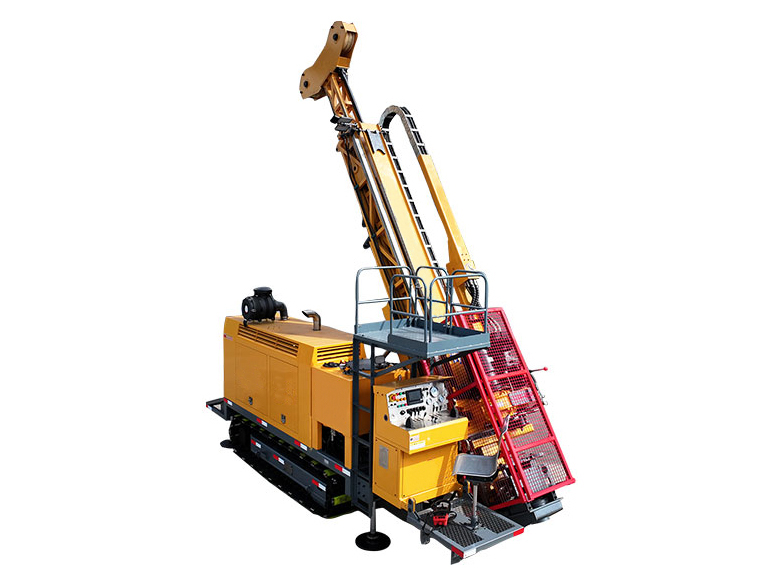
Walk into any hardware store, and the sheer variety of portable power drills for home DIY can feel like a foreign country. You might just want to fix a wobbly shelf, but those intimidating rows often stop projects before they start. In reality, a
drilling machine is simply a motorized assistant designed to help, not hurt.
Most home repairs rely on two basic tasks: making holes to hang pictures or driving screws to assemble furniture. A power drill handles both with ease. By understanding the tool's functional anatomy, you can transform anxiety into capability. Modern tools are designed with user-friendly safety features that make them accessible for anyone.
Cordless Convenience vs. Corded Muscle: Choosing for Your Workspace
Most homeowners start with cordless models simply for the freedom to move from the garage to the living room without hunting for an outlet. When browsing portable power drills for home DIY, pay attention to the battery specs: Voltage (V) is the engine's muscle, while Amp-hours (Ah) is the size of the gas tank. An 18V battery usually offers the best balance of power and weight for general repairs.
However, plugged-in tools still hold a distinct advantage for tough materials. As a battery drains, you might lose a bit of twisting power (torque consistency), whereas a corded drill delivers maximum strength indefinitely. This makes them ideal for demanding jobs like drilling into masonry, though you trade mobility for that reliability.
Ultimately, choosing between corded and battery powered depends on where you plan to work:
Go Cordless: Essential for safety on ladders (no cord to trip over) and quick assembly tasks.
Go Corded: Better for high-resistance mixing or drilling stone where constant power is key.
Drill vs. Impact vs. Hammer: Which 'Muscle' Do You Need?
Walking down the tool aisle, you will likely see three machines that look nearly identical but perform very differently. A standard drill provides a smooth, constant spin, which is perfect for precise holes in wood or assembling flat-pack furniture. However, for driving long screws, an impact driver is superior; it uses "rotational impact"—imagine a wrench tapping sideways against a bolt—to force screws in without stripping the heads.
If your walls are made of brick or concrete, simple spinning won’t cut it; you need "percussive action." A hammer drill punches the bit forward and backward while it spins—measured in BPM (Blows Per Minute)—to pulverize stone as it drills. Understanding the mechanical difference in impact driver versus hammer drill prevents you from burning out a motor trying to force a regular bit into a patio slab.
For 99% of home DIY, these handheld tools are all you need. Avoid expensive, industrial specialty tools like radial arm boring equipment or magnetic base portable cutters unless you are opening a professional machine shop. Stick to this simple guide:
Standard Drill: Delicate holes in wood, drywall, or plastic.
Impact Driver: Driving heavy screws into decks or studs.
Hammer Drill: Anchoring items into masonry or concrete.
Master the Chuck and Torque to Stop Stripping Screws
With the right "muscle" selected, protecting your work surface requires mastering the clutch. The black cylinder at the front of your tool is the chuck, essentially the "hand" that grips your accessories. While older models required a key to tighten this grip, modern tools almost exclusively use a keyless chuck versus keyed chuck systems, allowing you to tighten the jaws by hand. To swap accessories quickly, follow these steps for how to change a drill bit safely:
Lock the Trigger: Move the direction switch (above the trigger) to the center position so the drill won't accidentally start.
Open the Jaws: Grip the black sleeve and rotate counter-clockwise until the opening is wider than your bit.
Secure the Bit: Insert the new bit straight into the jaws, then rotate the sleeve clockwise until it ratchets tight.
Once secured, look at the numbered ring behind the chuck. This controls the clutch, or torque setting. Think of torque as "twisting force." Low numbers (1–5) tell the drill to stop spinning if it meets resistance, while high numbers deliver maximum power. Adjusting torque for different materials is critical; use low settings for drywall to avoid burying the screw, and higher settings for drilling into lumber.
Finally, treat the trigger like a car’s gas pedal, not a light switch. Most drills utilize variable speed control settings, meaning the harder you squeeze, the faster the motor spins. Start slowly to establish a hole without the bit wandering across your surface, then ramp up speed once the bit "bites" into the material.
Choosing Bits for Steel, Wood, or Masonry Without Breaking Them
Even the most powerful machine is useless if you use the wrong "teeth." The smooth part of the bit that fits into your chuck is the shank, while the spiral grooves designed to pull dust out of the hole are called flutes. Using a generic bit on the wrong surface usually results in a dull accessory or a ruined project.
To choose the right drill bits, simply match the tip shape and composition to your material:
Wood: Standard "twist bits" work, but "brad point" bits feature a sharp spur tip to prevent slipping.
Masonry: Look for a wide, T-shaped carbide tip specifically designed to crush brick and stone.
Steel: For which drill bit for hardened steel works best, upgrade to Cobalt bits which resist high heat.
Forcing a large screw directly into wood often causes unsightly cracks. Always drill a pilot hole—a small guide hole slightly narrower than your screw—to create a safe path. For thicker lumber, employ basic deep hole boring techniques by "pecking": drill in short bursts and retract the bit frequently to clear debris so it doesn't overheat.
Safety Essentials and Troubleshooting Wobbly Spindles
Effective cutting requires equal attention to eye and hand safety. While modern tools are safer than ever, essential eye and hand protection remains non-negotiable. Debris flies unpredictably, making the right gear your best defense:
Safety Goggles: Wrap-around style glasses to block chips from side angles.
Dust Mask: Vital for keeping fine drywall or masonry dust out of your lungs.
Hearing Protection: Plugs or earmuffs to dampen the high-pitched whine of the motor.
A shaking tool often scares beginners, but troubleshooting wobbly drill spindles is usually simple. If the bit spins off-center, re-seat it ensuring the shank sits evenly between all three chuck jaws rather than resting on the edge of one. Finally, keep air vents clear to prevent motor burnout, but leave complex tasks like lubricating internal gear mechanisms to professionals to preserve your warranty.
Your First Project Checklist: Buying and Using Your Drill with Confidence
The intimidating "Power Tools" aisle is now just a supply stop. Before drilling, run a quick pre-flight check: match your bit to the material, charge your battery, and dial in the correct torque setting.
Commit to one small project this weekend to build "muscle memory" with your new drilling machine. You’ll be surprised how quickly those wobbly shelves become sturdy accomplishments.