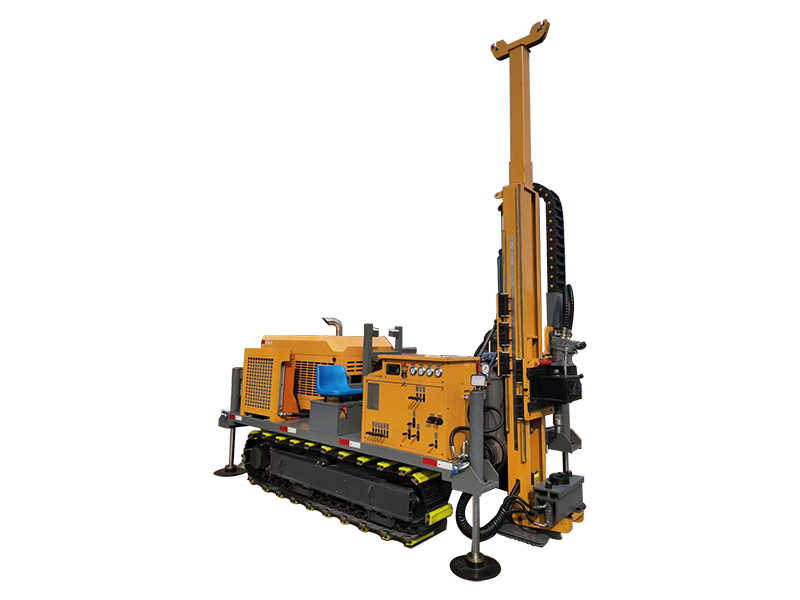
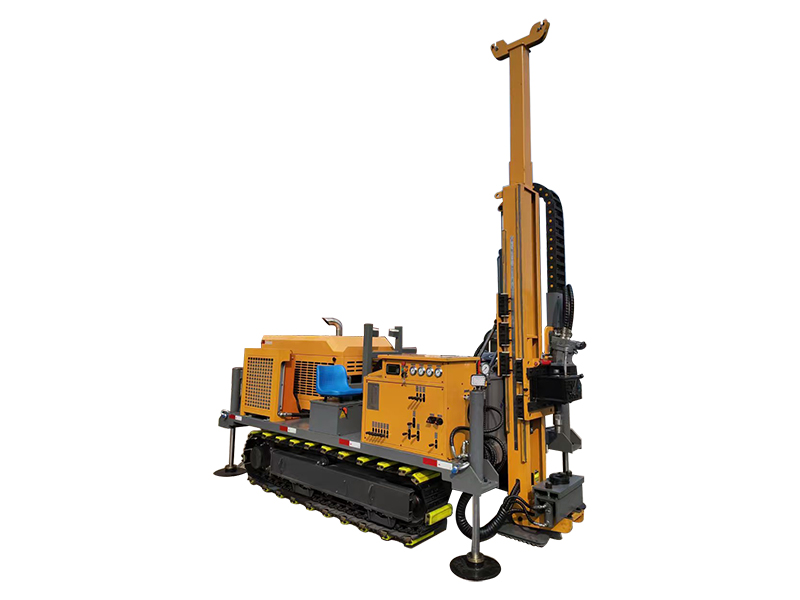
Core Drilling Tools: A Comprehensive Analysis Of Core Tools And Applications In Geological Exploration And Engineering Drilling
Release time:2026-07-06
Visits:238
In fields such as geological exploration and engineering construction, gaining an in-depth understanding of the properties, structure, and composition of underground rock formations is fundamental to operational success. The key tool for achieving this goal is the **core drilling tool**. As a specialized drilling instrument, core drilling tools can precisely extract core samples from underground rock formations, providing direct data support for geological analysis and engineering design. This article will detailedly analyze the definition, types, application scenarios, and supply situation of core drilling tools in the Chinese market to help you fully understand this important tool.
I. Core Drilling Tools: Definition and Core Functions
Core drilling tools are specialized instruments designed for collecting underground core samples. Their core function is to extract intact cores from rock formations at various depths through drilling operations. These core samples contain critical information such as the physical properties (e.g., hardness, density), structural characteristics (e.g., bedding, fractures), and chemical composition of the rock formations, serving as ""first-hand data"" for geologists and engineers to analyze the underground environment, formulate exploration plans, or engineer designs.
In simple terms, core drilling tools act as ""samplers"" of the underground world. Without them, it would be difficult for people to intuitively understand geological conditions beneath the Earth's surface, and subsequent resource exploration and engineering construction would be impossible.
II. Common Types of Core Drilling Tools and Their Applicable Scenarios
Core drilling tools can be divided into various types based on different requirements such as rock formation hardness and drilling depth, with each type having its unique design and scope of application:
1. PDC Core Bits
PDC (Polycrystalline Diamond Compact) core bits are characterized by high hardness and strong wear resistance, making them suitable for **softer rock formations** (e.g., mudstone, sandstone). They offer high cutting efficiency, enabling rapid drilling in relatively soft formations while ensuring the integrity of core samples, making them a common choice for shallow exploration or soft rock areas.
2. Diamond Core Bits
The cutting portion of diamond core bits is made of natural or synthetic diamond materials, featuring extremely high hardness. They are specifically designed for **hard rock formations** (e.g., granite, quartzite). In hard rock environments, diamond bits can effectively crush rocks, ensuring the smooth acquisition of cores in high-hardness formations, thus serving as core tools for deep exploration or hard rock areas.
3. Carbide Core Bits
Carbide core bits are made of cemented carbide materials, with hardness ranging between PDC and diamond bits. They are suitable for **medium-hardness rock formations** (e.g., limestone, shale). Offering high cost-effectiveness and good durability, they are widely used in various engineering drilling applications, particularly suitable for scenarios where a balance between cost and efficiency is required.
III. Main Application Fields of Core Drilling Tools
Core drilling tools find applications throughout multiple stages of geological exploration and engineering construction, including:
1. Geological Prospecting
In mineral resource exploration, core drilling tools are used to collect underground ore layer samples, helping prospectors determine mineral types, reserves, and distribution patterns. For instance, by analyzing the metal element content in cores, the burial depth and mining value of resources such as gold and copper ores can be identified.
2. Coalfield Exploration
Coalfield exploration requires understanding the thickness, structure, and occurrence state of coal seams. Core drilling tools can accurately extract samples of coal seams and roof/floor rock formations, providing data support for coal mine mining design and safety assessment, ensuring the efficient and safe development of coal resources.
3. Engineering Geological Survey
Prior to construction in sectors like architecture, transportation, and water conservancy, core drilling tools are needed to obtain foundation rock formation samples, analyze parameters such as stability and bearing capacity, ensure engineering designs align with geological conditions, and prevent safety hazards caused by foundation issues.
IV. Supply and Development of Core Drilling Tools in China
In China, with the rapid development of the geological exploration and engineering construction industries, the research, development, and production of core drilling tools have formed a mature system. There are many domestic enterprises specializing in core drilling tools and related equipment. Through technological innovation, these enterprises continuously optimize product performance and offer various types of core drilling tools, including PDC, diamond, and carbide bits, to meet the diverse needs of different industries (e.g., mining, construction, energy).
These enterprises not only focus on product quality but also develop customized solutions based on market demands, such as high-durability bits for deep exploration and multi-functional core tools adapted to complex formations, driving continuous technological progress in core drilling tools and providing reliable support for domestic geological exploration and engineering construction.
Conclusion
Core drilling tools serve as a ""bridge"" connecting the surface and the underground world, with their performance directly impacting the accuracy of geological data and the safety of engineering construction. Whether for prospecting mineral resources, evaluating engineering foundations, or studying geological structures, core drilling tools play an irreplaceable role. With technological advancements, core drilling tools will become more efficient and precise in the future, providing stronger tool support for humanity's exploration of the underground world. If you are seeking core drilling tools suitable for specific scenarios, it is advisable to select the appropriate type based on actual requirements such as rock formation hardness and drilling depth to ensure operational efficiency and sample quality."