Understanding The Components Of A Drilling Rig
Release time:2026-11-23
Visits:198
Imagine trying to poke a hole in a birthday cake using a single strand of spaghetti dangled from the top of a ten-story building. While it sounds impossible, this scenario perfectly illustrates the immense scale of engineering required for a modern drilling rig to reach energy reserves buried miles underground.
Think of the rig not as the product, but as the massive power tool used to build it. Much like a construction crane creates a skyscraper, the rig constructs a permanent oil well, though this complex structure extends downward rather than up into the sky.
Industry experts often describe these machines as the invisible giants that power our daily lives. To understand how they safely perform this hydrocarbon extraction process, we must examine the machinery that makes it possible.
Where the Giant Stands: Choosing Between Backyard Onshore and Deep-Sea Jack-Ups
The logistics of onshore
drilling compare to building a skyscraper, finishing the work, and then packing the whole building into trucks to drive fifty miles down the road. Land rigs are designed to be "modular," meaning they break down into giant puzzle pieces that fit on standard flatbed trucks. This portability allows crews to hunt for resources across vast deserts or forests without leaving permanent steel towers behind everywhere they dig.
Stepping off the coast presents a harder challenge: the ground is moving, and the water is deep. For shallow waters, engineers use a "Jack-up" rig. Resembling a camping table set up on uneven ground, the rig is a floating barge that sails to the location, cranks three massive steel legs down until they stomp into the sea floor, and then hoists the entire platform high above the waves. This creates a rock-steady surface to work on, completely immune to the tossing ocean below.
Once the water gets too deep for legs, the strategy shifts from standing to floating. This requires precise technology to connect the floating rig to the "subsea completion"—the plumbing hardware sitting on the ocean floor—without snapping the line. To handle these varying depths, the industry uses three main platform types:
Jack-ups: Stand on the sea floor with legs; used for shallow, calm water.
Semi-submersibles: Float on submerged pontoons like a giant catamaran; used for rougher, deeper water.
Drillships: Mobile vessels that use computer-controlled propellers to hover in place; used for the deepest exploration.
With a stable platform established—whether on dirt or waves—the focus shifts to the massive vertical machinery waiting at the center of the deck.
The Skeleton and the Straw: How the Derrick and Drill Pipe Reach Miles Underground
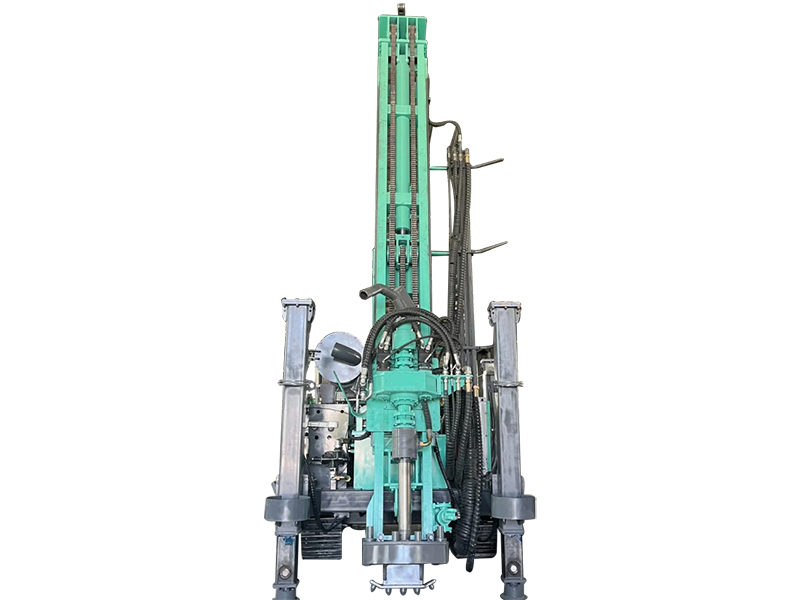
The towering metal lattice that defines a rig’s silhouette acts as a massive vertical crane. Known as the derrick, this structure exists primarily to fight gravity, hoisting hundreds of tons of steel piping that would otherwise snap under its own weight. While modern automated pipe handling systems use robotic arms to position these heavy components, the derrick remains the backbone, providing the sheer lifting power necessary to suspend a steel tail that is often deeper than Mount Everest is tall.
Reaching reservoirs buried miles underground is impossible with a single continuous tool, so crews build the "drill string" piece by piece. They screw thirty-foot sections of hollow steel pipe together like colossal tent poles, pausing to add new joints at the surface as the hole deepens. This process extends the machine's reach, creating a flexible, rotating straw that transmits energy from surface engines all the way down to the rock face.
Powering this operation requires the entire column of pipe to spin rapidly, driving the cutting tool at the very bottom. However, rotating such a massive "steel noodle" generates immense friction and heat, threatening to melt the equipment or collapse the tunnel. To keep this spinning destruction under control, engineers rely on a specialized fluid system that does far more than just lubricate the hole.
Diamond Teeth and Liquid Gold: Why 'Mud' is Actually the Rig's Lifeblood
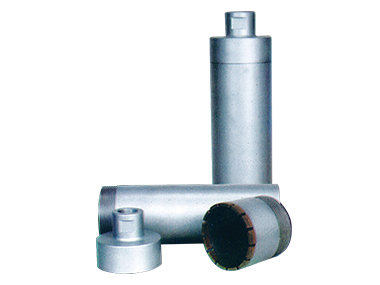
At the tip of the rotating steel straw sits the drill bit. Unlike the spiral tools in your home garage, these industrial versions often resemble three interlocking pinecones studded with tungsten carbide or diamonds. These "tri-cone" bits work by crushing rock rather than slicing it, chewing through solid granite layers like a blender crushing ice. Engineers must carefully select different drill bit types for different rock formations to prevent the teeth from snapping deep underground.
All that grinding creates incredible heat, requiring a constant flow of "drilling mud." Despite the messy name, this is actually a highly engineered chemical mixture pumped down the hollow center of the pipe. It acts as the drilling rig's bloodstream, cooling the red-hot bit and carrying "cuttings"—crushed rock fragments—back to the surface. Without this continuous cycle, the hole would instantly clog with debris, much like a vacuum cleaner choking on too much dust.
Crucially, this fluid also maintains hydrostatic pressure to prevent the tunnel from caving in. The well acts like a wet sandcastle; without the weight of the mud pushing outward against the earthen walls, the hole would collapse. This heavy liquid column holds the rock steady, acting as the first line of defense before the Earth’s pressurized contents can attempt a chaotic escape.
The Thumb on the Soda Bottle: Preventing Blowouts with High-Tech Safety Gear
Drilling crews manage physics comparable to a shaken soda bottle. Sometimes, a high-pressure pocket of gas—known as a "kick"—pushes up against the heavy mud column. To stop this from becoming a disaster, engineers rely on the Blowout Preventer (BOP). Sitting at the wellhead like a 300-ton safety clamp, this stack of hydraulic valves acts as the ultimate emergency brake. The blowout preventer's function is simple but critical: if the pressure gets too high, the BOP slams shut, crushing the steel pipe to seal the well instantly.
Preventing blowout accidents offshore or on land requires more than just heavy metal; it demands constant vigilance from the crew. The role of a roughneck in oil production involves monitoring the "pulse" of the well to catch these pressure spikes early. When a kick occurs, the team executes a precise "shut-in" sequence:
Detection: Sensors alert the driller that fluid is flowing out faster than it is pumped in.
Isolation: The BOP rams are activated to physically seal the wellbore.
Stabilization: Heavier mud is pumped down to weigh down the gas and restore balance.
With the pressure safely contained, the true scale of the operation becomes clear.
From Rock to Reservoir: A Synchronized System
The oil rig is no longer just a mystery tower; it is a synchronized system where the derrick lifts, the bit crushes, and the mud circulates like lifeblood. This engineering feat becomes even more impressive when you consider the ocean, where deepwater subsea completions require robots performing delicate surgery under crushing pressure. It is a massive, unified machine designed to conquer the toughest environments on Earth.
Next time you spot a drilling rig in the distance, look beyond the steel frame. Instead of a static monument, visualize the miles of pipe spinning beneath it and the precise orchestration keeping everything safe. You are witnessing a marvel of human ingenuity that rivals space exploration, powering modern life from the dark, invisible depths below.