What Is The Difference Between A Mud Pump And A Sludge Pump
Release time:2026-11-09
Visits:196
Attempting to drain a flooded trench often ends with a smoked motor because many homeowners assume all dirty water is the same. In practice, treating thick, gooey waste like standard rainwater is the fastest way to destroy expensive equipment.
The difference between a mud pump and a sludge pump starts with a simple kitchen analogy. Mud acts like water mixed with sand—gritty but flowable—while sludge moves like a heavy milkshake, presenting unique abrasive fluid pumping challenges due to its high viscosity (thickness).
Manufacturers design internal "solids-handling capacity" differently to manage these specific textures without clogging. Selecting the right tool for the job ensures better pump efficiency and guarantees your project finishes without an unexpected trip back to the hardware store for a replacement.
The Visual Test: How to Tell Mud from Sludge Before You Buy
Understanding basic mud pump function requires recognizing that mud acts like liquid sandpaper due to abrasive grit, while sludge is heavy stuff that clings rather than flows.
To gauge the challenge your equipment faces, imagine trying to drink the fluid through a straw. If the liquid feels like a thick milkshake or gravy, you are dealing with high viscosity, which requires the specialized torque found in semi-solid waste management solutions. This thickness creates massive drag that standard motors simply cannot overcome without burning out.
Before renting or buying, perform a simple "Pour Test" with a clear cup to match the material to the solids-handling capacity of industrial pumps. Scoop up a sample and watch how it behaves:
Speed: Does it splash instantly like water, or slide slowly like syrup?
Separation: Do grit and pebbles settle quickly to the bottom?
Coating: Does it leave a slimy, sticky residue on the glass?
Sound: Can you hear sand grinding against the cup when you swirl it?
If that swirl test reveals gritty sand rather than sticky goo, you need a machine built with specific "spinning muscle."
How Mud Pumps Use 'Spinning Muscle' to Move Gritty Water
When you are dealing with gritty water, brute force alone isn't enough; you need speed. A standard
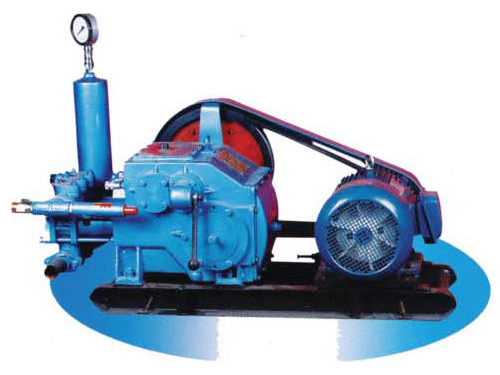
mud pump relies on centrifugal force, which is the same physical principle that pins you to the wall on a spinning carnival ride. Instead of pushing the liquid like a piston, these machines spin it rapidly to generate momentum. This action creates enough pressure to lift heavy mixtures of water, soil, and clay out of a hole and through a discharge hose without getting bogged down by the weight of the dirt.
Inside the casing sits an impeller, which looks a bit like a fan or a boat propeller. As this component rotates at high speeds, it flings the liquid outward against the pump walls. In professional settings, this mechanism is crucial for drilling fluid circulation system components, where the pump must constantly cycle heavy fluids down a borehole to keep drill bits cool and carry rock cuttings to the surface. The design prioritizes high velocity to keep those solids suspended rather than letting them settle and clog the lines.
Moving this "liquid sandpaper" creates a massive durability problem for standard equipment. Because the fluid is full of abrasive grit, manufacturers build these units with hardened alloys or rubber linings to resist wear. Maintaining high-pressure mud circulation pumps usually involves checking these internal liners frequently, as the constant friction of sand against metal acts like a grinder. Without this reinforced armor, the housing of a regular utility pump would wear thin and crack after just a few hours of heavy use.
While this high-speed spinning method works wonders for thin, gritty mixes, it struggles once the material gets too thick. This is the main difference in the battle of centrifugal vs positive displacement pumps for waste; centrifugal mud pumps lose efficiency if the fluid becomes viscous enough to resist that spinning motion. If your material is less like dirty water and more like heavy batter that refuses to flow, you need a machine designed to grab and push rather than spin.
Why Sludge Pumps Need 'Teeth' and Wide Paths for Sticky Gunk
While mud pumps rely on speed, moving sludge requires brute strength and wide open spaces. Think of trying to drink a chunky milkshake through a tiny coffee stirrer; it simply won't flow. Sludge pumps solve this by using expanded internal passages that allow semi-solid waste to pass through without getting stuck. This design is standard for wastewater treatment sludge handling equipment, where the material is sticky and viscous. Instead of high-velocity spinning, these machines often use torque to push heavy goo that would stall a standard motor.
The real danger to your equipment, however, isn't just the thickness of the fluid but the debris hiding inside it. Fibrous materials can wrap around internal parts—a nightmare scenario known as "ragging"—which creates friction and eventually destroys the motor. To fight this, specialized units feature built-in grinders or cutter impellers that act like heavy-duty garbage disposals. These components shred the three most common "pump killers" to keep the line clear:
Hair and String: Sliced into tiny fragments so they cannot tangle around the shaft.
"Flushable" Wipes: Tattered into pulp to prevent immediate blockages.
Thick Grease Chunks: Churned into the liquid to keep them moving.
Beyond the internal mechanics, positioning matters. You will frequently see submersible sludge pump performance features emphasized because it is far more efficient to push heavy waste up a hose from the bottom than to try sucking it up from dry land. Being submerged also uses the liquid to cool the motor, which is critical when the machine is working hard at preventing clogs in thick fluid transport. Deciding which model fits your specific project is the final step.
The Selection Guide: 3 Questions to Ask Before You Rent or Buy
Analyzing the liquid first prevents costly rental mistakes. Your primary concern is texture: if the mix pours like soup, standard gear usually works, but thick, slow-moving goo requires checking the maximum viscosity limits for centrifugal pumps. You must match the machine’s internal capabilities to the specific "flavor" of debris to avoid immediate clogging.
Use this simple scenario check to guide your choice:
Sandy or Gritty Water: Use a Mud Pump to withstand the sandpaper-like abrasion.
Sticky Muck or Septic: Choose a Sludge Pump to manage the thickness and shred fibers.
Water with Rocks: Select a Trash Pump designed specifically to pass hard solids without jamming.
Distance is the final factor because thick fluids create massive drag inside the hose. How to choose a pump for heavy solids often comes down to oversizing your engine; pushing sludge uphill requires significantly more horsepower than moving water on flat ground. Ignoring industrial pump selection guide for slurry ratings usually results in a burnt motor, so always prioritize power over speed.
Your 5-Minute Project Checklist for a Clog-Free Result
Whether you need standard pumping solutions for dirty water or specialized wear-resistant materials for abrasive slurry pumps to handle sand, matching the machine to the fluid is the key to a job well done.
Before you start the engine, run through this "Before You Flip the Switch" checklist to ensure safety and prevent burnout:
Clear the intake of rocks larger than the pump’s rating.
Secure all hose clamps tightly.
Verify the pump is primed with water.
Check oil levels on gas engines.
Put on gloves and safety glasses.